- TreatmentsInjectablesMoles, Cysts & TagsLaser/IPLEye/Ear Surgery
- Prices
- Doctors
- Clinics


Polynucleotides Regenerative Treatments
From £395


 0207 386 0464
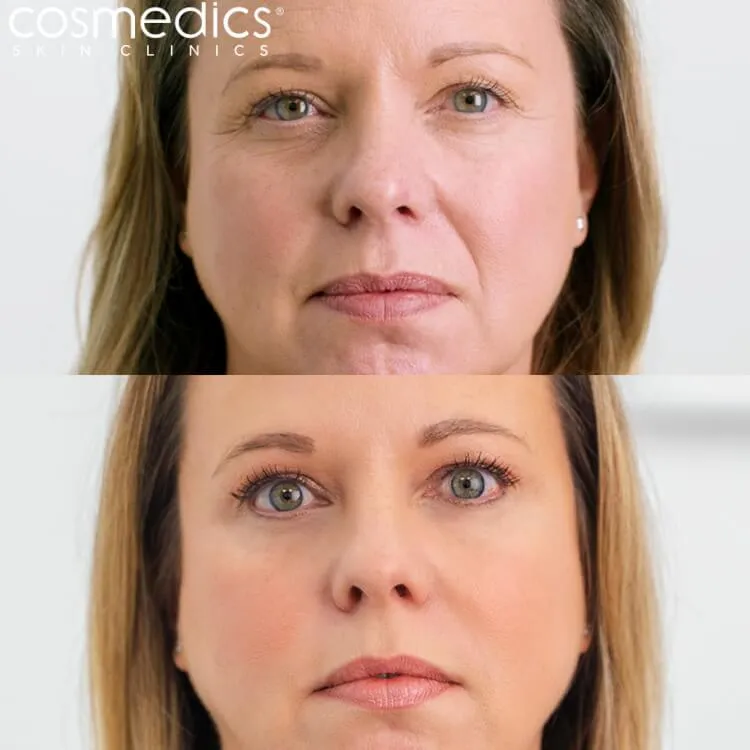
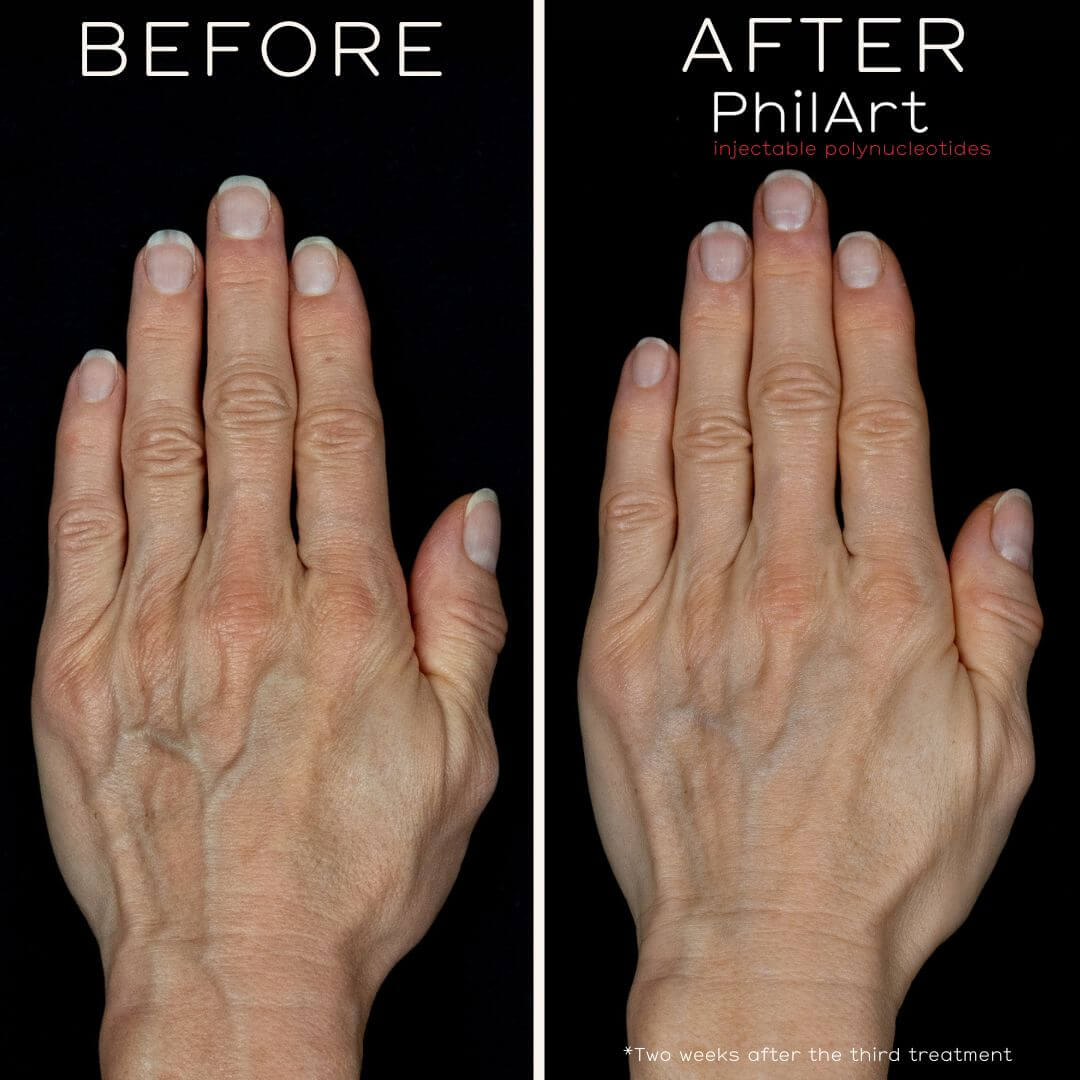
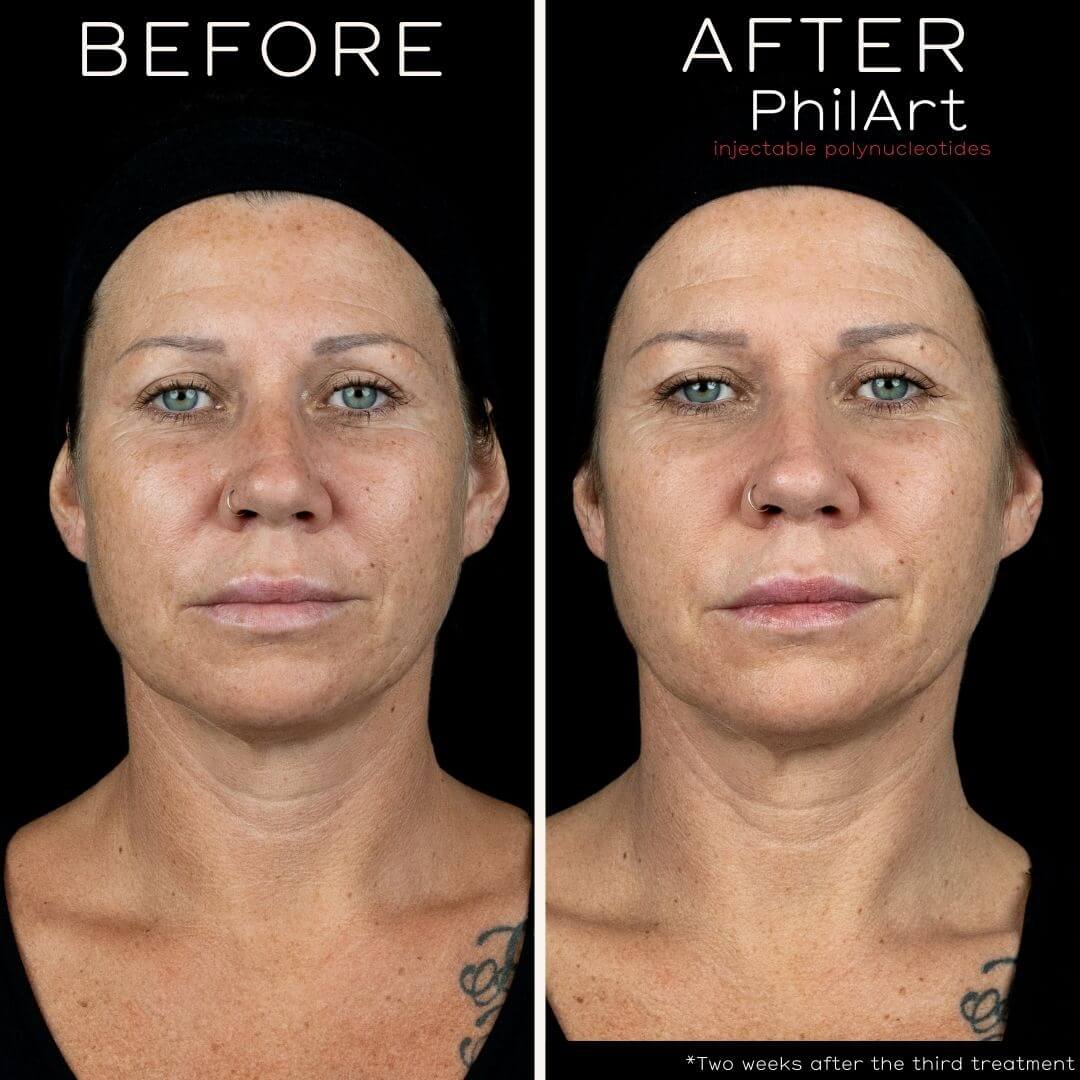
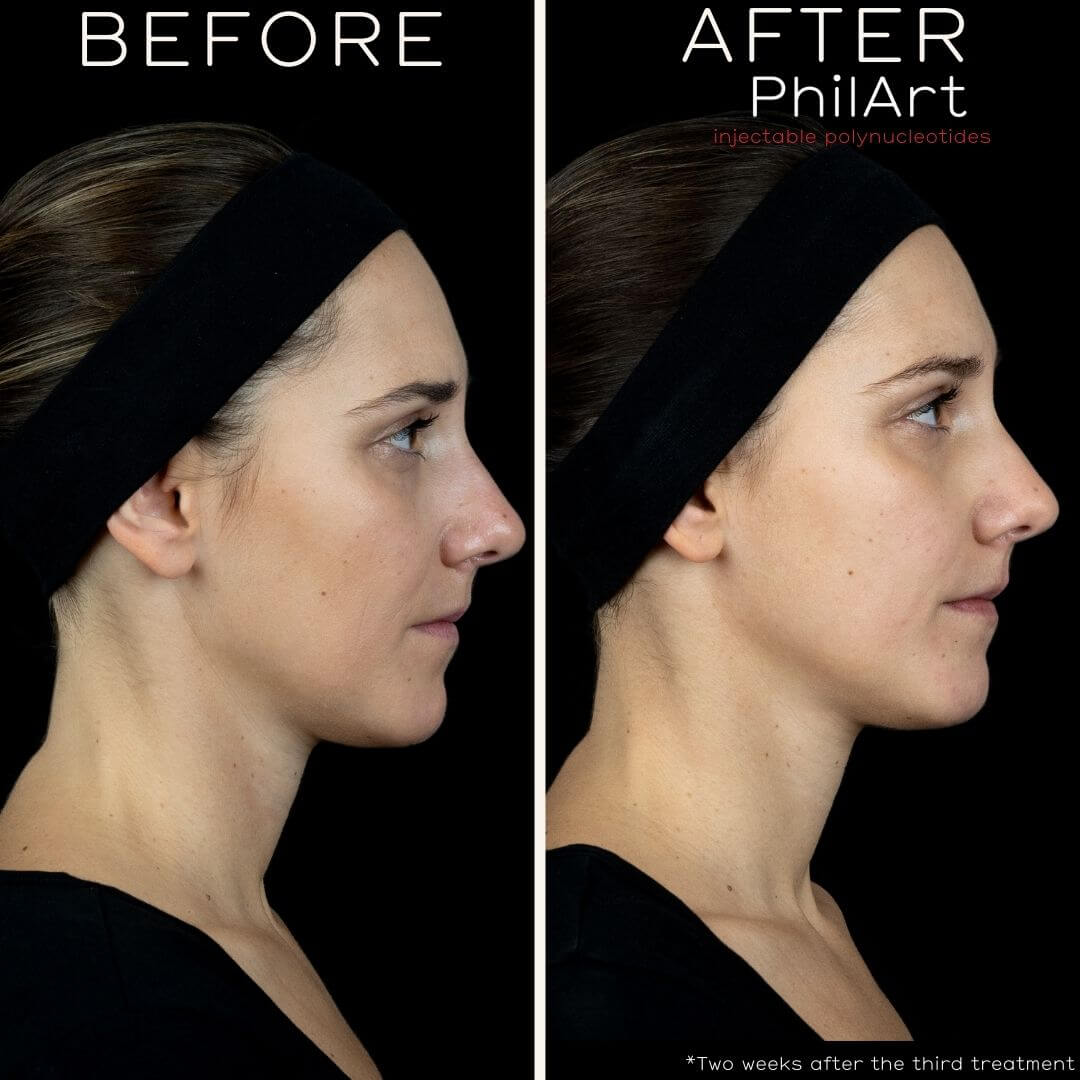
Polynucleotides are sterilised DNA fragments used in injectable biostimulation treatments designed to regenerate skin from within. They work by boosting collagen and elastin production while reducing inflammation, improving skin elasticity, hydration, texture, and tone. Administered by experienced clinicians, polynucleotide treatments offer a non-surgical solution for rejuvenating the face, neck, and hands, promoting natural repair, a radiant complexion, and long-lasting, youthful-looking results.


| Polynucleotides Treatment | Cost per session |
|---|---|
| 1x single PhilArt polynucleotides treatment session | £395 |
The cost of consultation with our doctors is £75. This is redeemable against the cost of treatment carried out on the same day.
Prices are a guide to the costs and the exact price can only be determined once the doctor has examined you in person.
Call 0207 386 0464 OR email [email protected] for advice and help.
Polynucleotides are a newly emerging trend in anti-ageing injections that stimulate tissue repair and encourage restoration and regeneration of the skin from within. They can be used in a wide range of applications as a rejuvenating treatment for older skin and as a preventative treatment for younger skin.
Polynucleotides (full name polydeoxyribonucleotides) are long chains of nucleotides that make up DNA and RNA molecules. They are derived from fragments of fish DNA (which resemble human DNA), which means they have the ability to function as a biostimulator, kick-starting regeneration in the skin. Not only are they anti-inflammatory, thanks to their antioxidant properties, but they increase collagen production, resulting in a thicker, healthier epidermis.
Regenerative treatments (polynucleotides) also include mesotherapy.
Research shows that polynucleotides can increase collagen by up to 47% in 23 days and help create a thicker, healthier epidermis with improvements of 52% in 23 days. With a range of applications, the benefits of polynucleotides include:
Polynucleotides are being used to reverse the ageing of tissues and repair scarring by tackling the concern from the source, in contrast to the traditional approach, for example with fillers, which focuses on treating symptoms. Some of the applications of polynucleotides include:
In addition to their success rate with these applications, polynucleotides work well alongside other treatments, enhancing their effects, such as by boosting the longevity of anti-wrinkle injections.
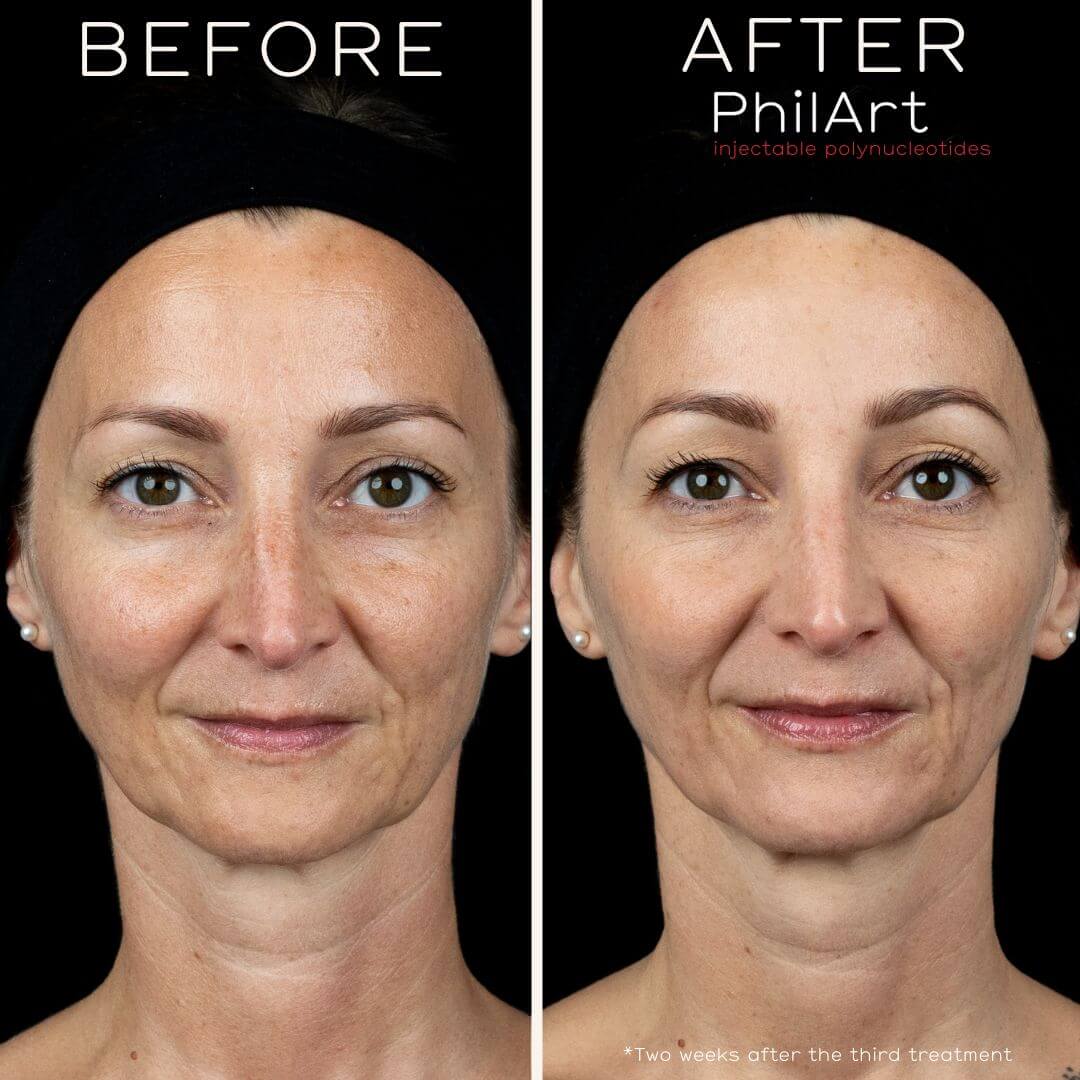
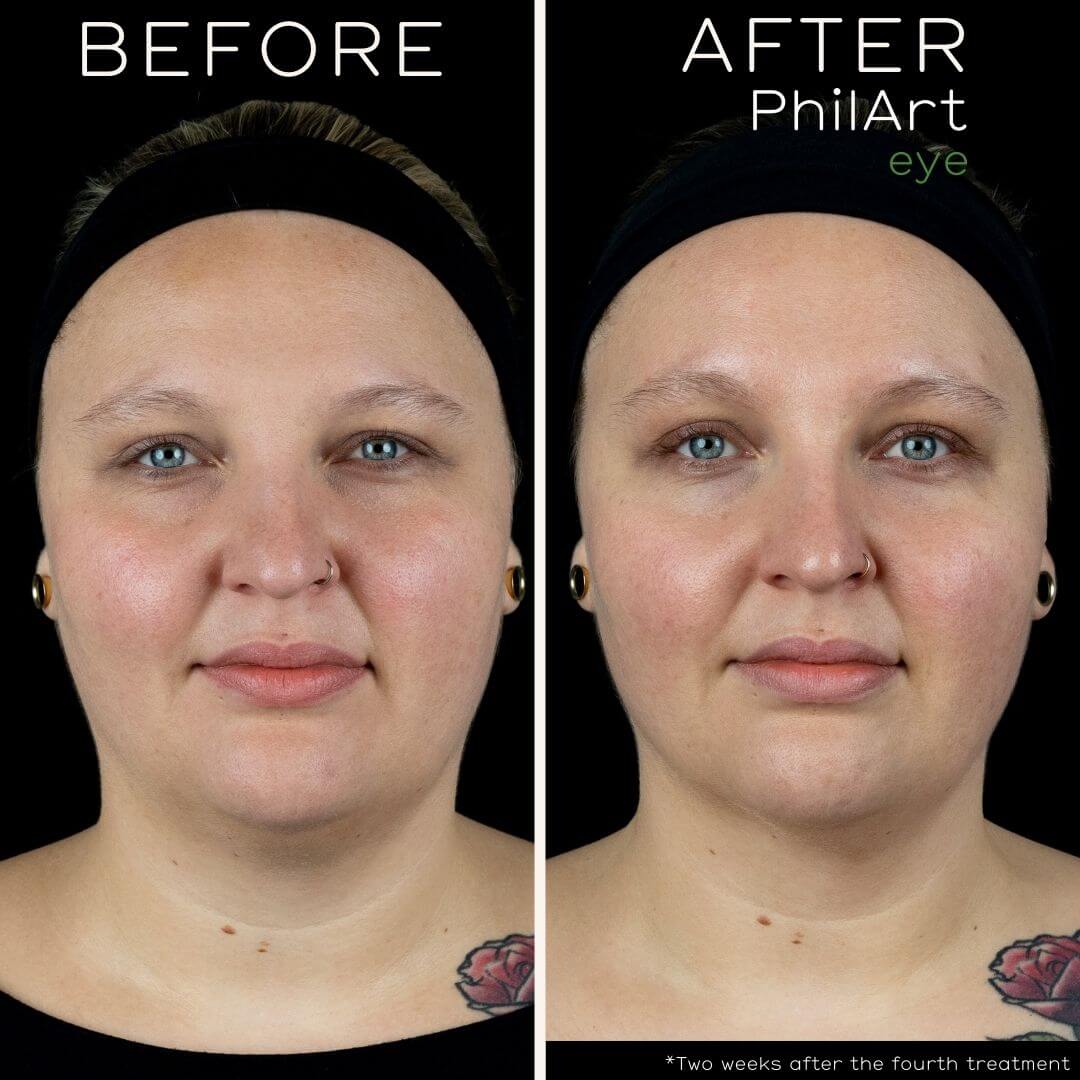
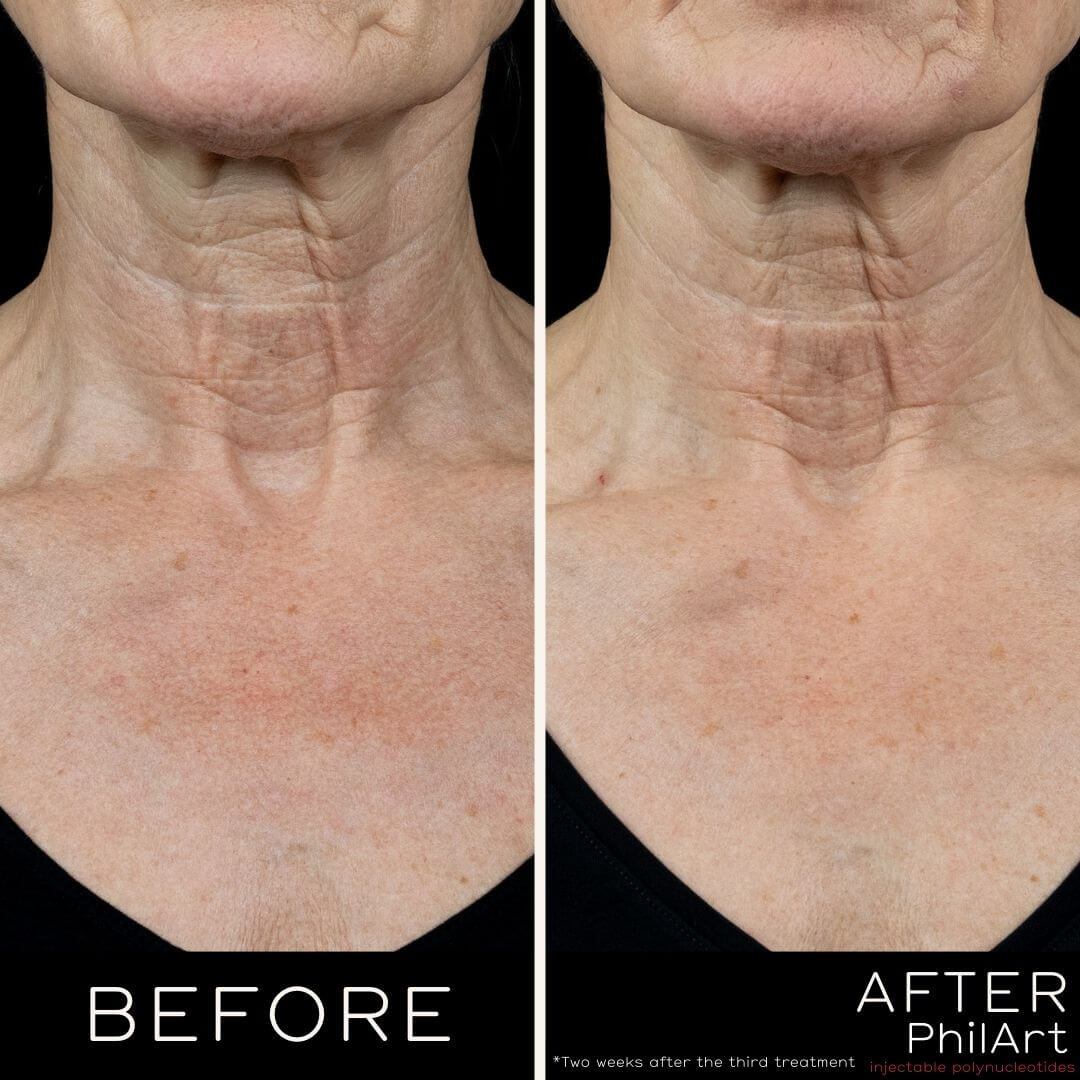
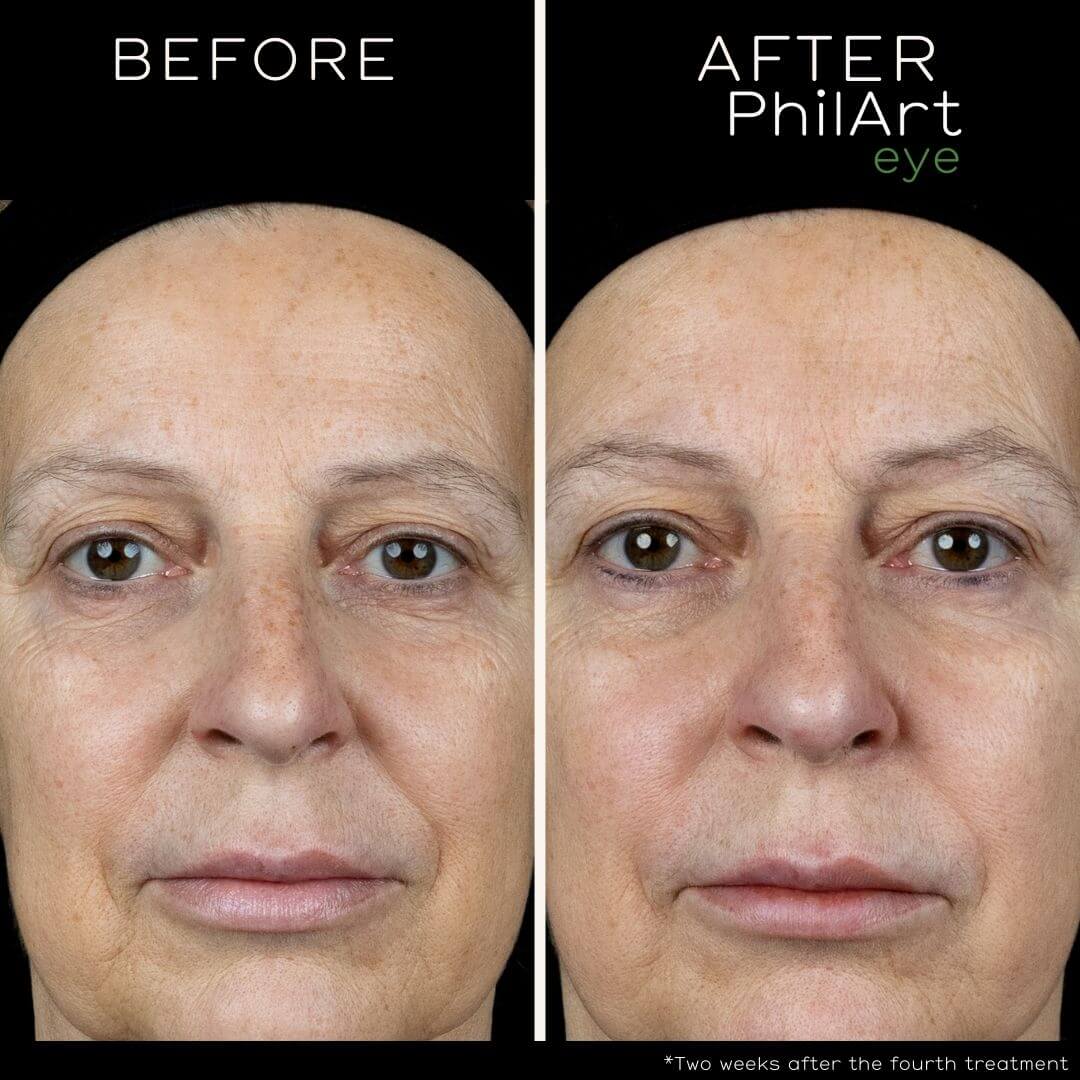


Polynucleotides don’t contain hyaluronic acid like fillers do. Instead, they are comprised of biopolymers DNA (deoxyribonucleic acid) and RNA (ribonucleic acid) . In DNA there are two spiral chains of polynucleotide which are arranged in a helical fashion, while RNA is a single-stranded molecule.
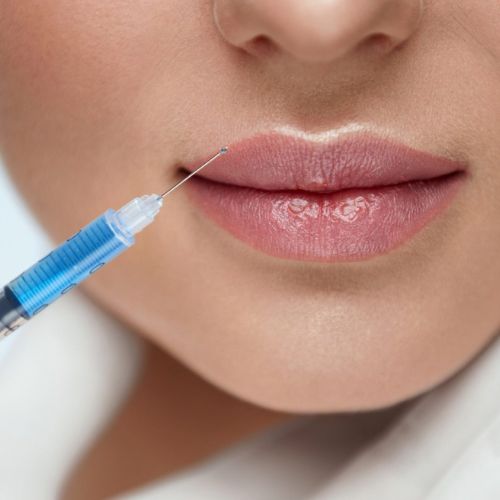
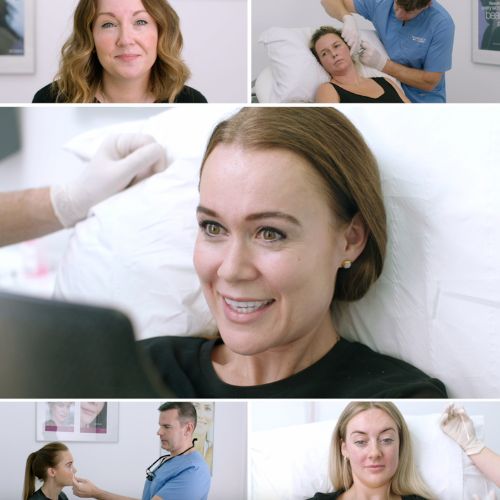
Before the treatment a numbing cream can be applied to the patient, especially if there are multiple injections involved. Depending on the area of treatment, the polynucleotides can be injected via two methods. The first are very tiny needles, leaving tiny blebs on the surface which disappear usually after a few hours. Alternatively, a blunt-ended cannula may be used to spread the product evenly. The process usually takes about 20-30 minutes.
Results last around six to nine months on average, depending on the patient’s lifestyle and rate of ageing.
The risks of polynucleotides are less than those of other injectable procedures, but this will depend on the practitioner’s experience and technique. However, unlike dermal filler, the treatment cannot be reversed as the product can’t be dissolved.
Side effects of polynucleotides are generally minimal, with the main potential side effects relating to the site of the injection, where patients may experience redness, swelling and bruising which should settle after one to two days. More serious side effects, such as allergic reactions, are extremely rare. As with all treatments, it’s important to carry out a thorough pre-treatment consultation to assess the patient’s suitability.
Unlike with dermal fillers, which have an instant effect, patients won’t notice the full benefits with polynucleotides immediatlely. This is because the action is at the cellular level and it takes time to become apparent, but patients may see some improvement after two to three weeks.
Although polynucleotides are well tolerated by most patients and are suitable for all skin types, including sensitive skin, they are derived from fish, therefore are not appropriate for vegans. Allergic reactions are very unlikely as the particles of DNA are highly purified, so it can be safely injected into those who have allergies, including seafood allergies, with clinical trials reporting no allergic reactions to date. Polynucleotides are not suitable for patients who are pregnant or intending pregnancy, or who are breastfeeding.
Patients can generally return to normal activities straight after treatment.
In terms of aftercare, no makeup is advised for 12 hours and no laser treatments or excess heat for three weeks. SPF should be applied strictly for two to three weeks, and sunlight avoided.
References

Cosmedics Skin Clinics was established in 2003 by Dr Ross Perry and has built up an enviable reputation over the last 20+ years for setting high standards of care and patient satisfaction within the professional skincare market.
Please call us or fill in the form below and we will be delighted to help with your enquiry.