


Please call us or fill in the form below and we will be delighted to help with your enquiry.
 0207 386 0464
Buccal Fat Pad Removal – Facial Contouring & Slimming
Buccal fat pad removal is a cosmetic procedure designed to slim the lower cheeks and enhance facial contours. By carefully removing excess fat from the buccal pads, our specialist surgeons create a more defined and balanced facial appearance. Performed under local anaesthetic, the procedure is minimally invasive, with careful techniques to minimise downtime, scarring, and risks. Buccal fat pad removal is ideal for patients seeking subtle yet effective facial rejuvenation and long-lasting results.
Buccal Fat Pad Removal Reviews
Treatment Benefits

Time

Recovery

Results

Duration
Buccal fat pad removal costs
| Treatment | Price |
|---|---|
| Consultation | £150 |
| Buccal fat pad removal | £2,950 |
Buccal Fat Pad Removal Consultation
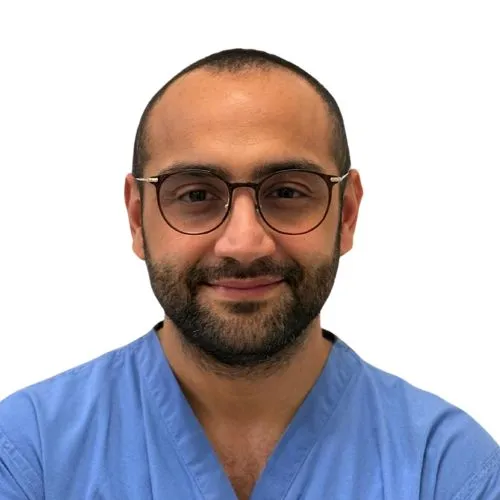
A pre-treatment consultation with our plastic surgeon is required to assess your face and the best options for you. The exact price can only be determined once the surgeon has examined your face.
Please call 0207 386 0464 OR email [email protected] for help. You can also send a photo, using the form below or via email.


Buccal Fat Pad Treatment Information
Buccal Fat Pad Removal
Buccal fat pad removal is a surgical procedure designed to slim and sculpt the lower face by removing the buccal fat pads. These are naturally occurring pockets of fat located deep within your cheeks, but clients quite often dislike the appearance of overdominant buccal fat pads. Buccal fat pad removal can have a number of aesthetic benefits:
- Addressing a “chubby cheek” appearance
- Balancing out facial proportions for a more sculpted look
- Enhancing the definition of the jawline and cheeks
- Highlight the bone structure in your face, especially your cheekbones and the hollowed-out areas between your cheeks and jawline.
The procedure is also sometimes called a cheek reduction.
Cosmedics Skin Clinics offers buccal fat pad removal as a day case procedure at our London clinics with our fully registered and experienced surgeons.
How is buccal fat pad removal carried out?
- Anaesthetic: Local anaesthetic will be injected into the cheeks to numb the area and make the procedure completely pain-free. We don’t need to use general anaesthetic, which means a faster recovery with fewer risks and complications.
- Incisions: The surgeon makes tiny incisions (usually less than 1 cm). These are made inside your mouth, on the inner lining of each cheek, near the opening of the Stensen duct (a salivary gland duct). This means that there is no visible scarring from the outside of the cheeks
- Fat Removal: Using gentle pressure on the outside of the cheek, the surgeon exposes the buccal fat pad and then reduces its size using special instruments. The amount removed will depend on your desired outcome and facial structure.
- Closure: The incisions are then closed with dissolvable stitches that will disappear on their own.
Advantages of 'Day Case' buccal fat pad removal surgery
Cosmedics Skin Clinics offers buccal fat pad removal procedures on a ‘day case’ basis, making it very convenient for busy clients and at competitive costs too, saving the hassle and expense of a hospital stay.
- Local anaesthetic – better tolerated and lower risks than general
- No overnight stay – less time out of your busy schedule
- Fast recovery – bruising lasts up to 10 days
- A simple walk in walk out procedure
- Takes around 60 minutes (up to 2 hours max)
- Longer lasting than injections or laser – excess skin gone for good
Non-surgical treatment options
Our non-invasive cosmetic treatments can be used alongside buccal fat pad removal surgery for a more comprehensive result. All our doctors are highly skilled in the latest injectable treatments. Options to consider:
- Dermal Fillers to replenish lost volume elsewhere or provide structure for localised ‘lift’ e.g. cheekbones
- 8 point face lift to lift facial tissues throughout the upper, mid and lower facial areas
Our Putney and Harley Street centres also offer advanced treatments using laser skin tightening technology, including ClearLift laser skin tightening and rejuvenation.
You can expect great results from your surgery, but these can be used alongside to enhance the overall result. Your surgeon will be happy to advise.
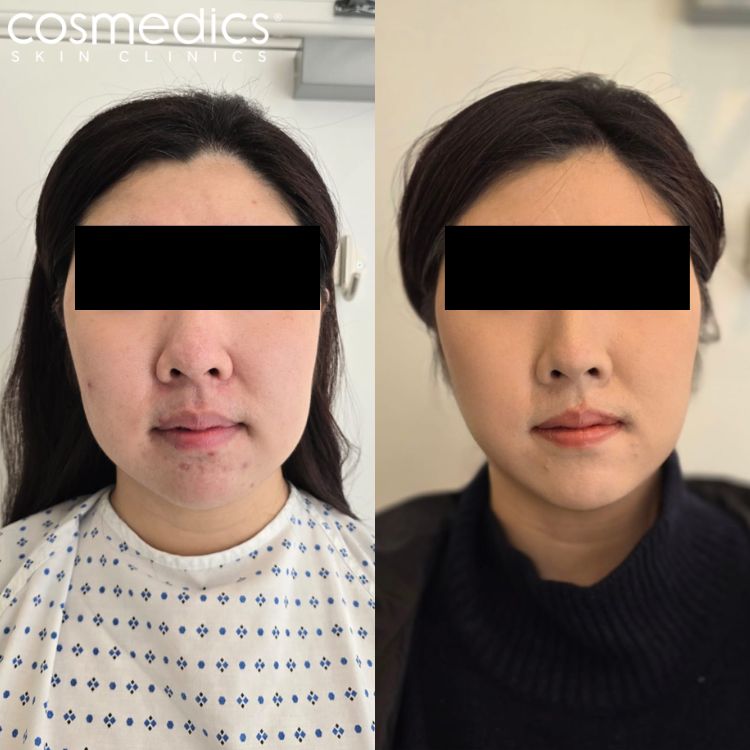
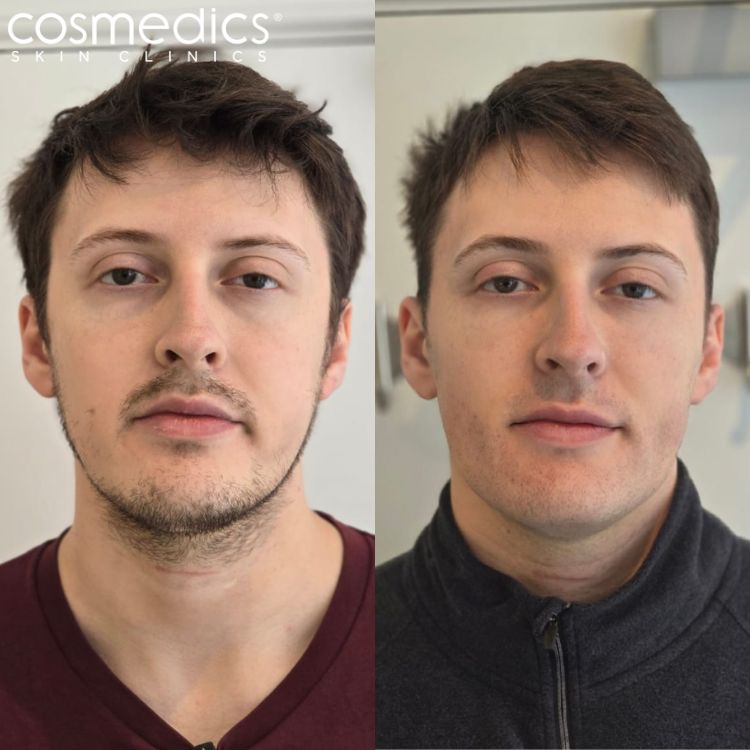
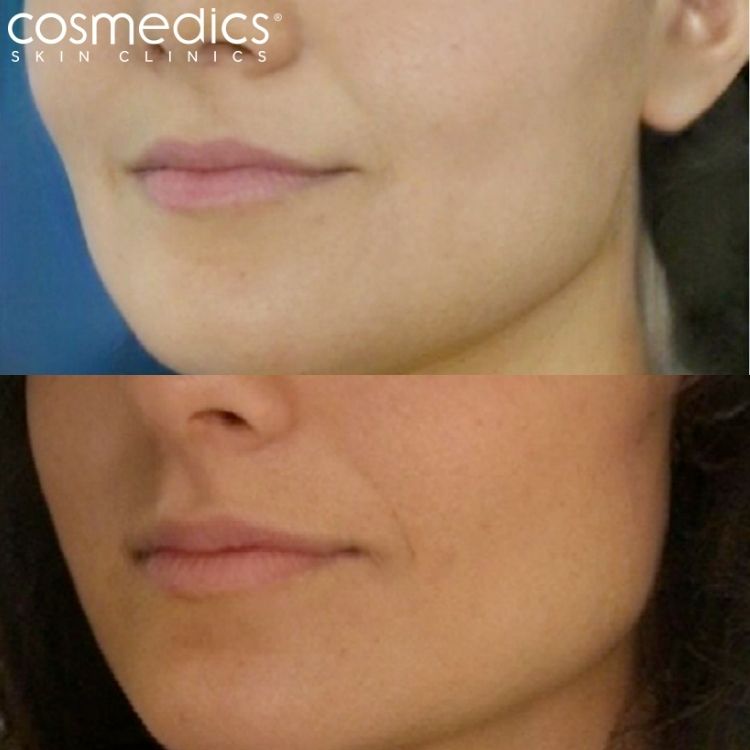
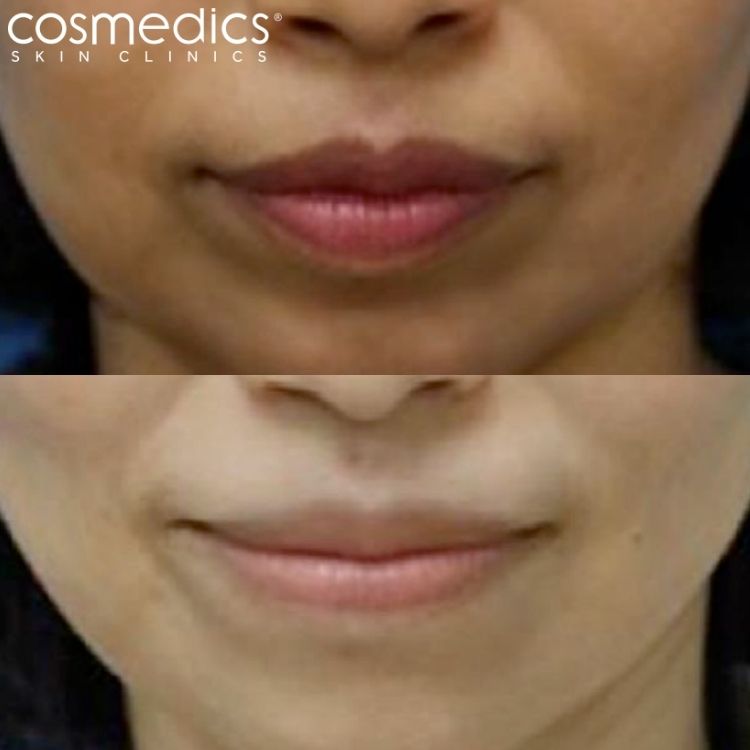
Videos & Buccal Fat Pad Removal Results Photos


FAQ's
Buccal Fat Pad Removal Questions & Answers

Both buccal fat pad removal and liposuction of the cheeks aim to slim the face by reducing fat. However, they target different tissues and have varying approaches. Here’s a breakdown to help you decide which might be better for you:
Buccal Fat Pad Removal:
- Targets: Specifically removes the buccal fat pads, located deep within the cheeks.
- Procedure: Performed under local anaesthetic as a day case procedure. Small incisions are made inside the mouth to access and remove the fat pads.
- Results: Aims for a sculpted look with defined cheekbones and a hollowed-out cheek area.
- Recovery: Involves swelling and bruising that subsides within a week or two. Most people resume normal activities quickly.
- Permanence: Removed fat pads don’t grow back.
Liposuction of the Cheeks:
- Targets: Broader fatty tissues throughout the cheeks, including areas around the jawline and beneath the cheekbone.
- Procedure: May be performed under local or general anaesthetic. Liposuction cannulas are inserted through small incisions in the face to suction out fat.
- Results: Aims for a general reduction in cheek volume – less precise than buccal fat pad removal
- Recovery: May involve more swelling and bruising than buccal fat removal, and might take longer to subside (up to a few weeks).
- Permanence: As with most liposuction procedures, fat cells can return if you gain weight.
Cosmedics Skin Clinics does not offer liposuction. Buccal fat pad removal is available at 3 London clinics.
Since the incisions are inside the mouth, there will be no visible scarring.
Your consultation will include complete pre-operative assessment and discussion:
- Initial Assessment:
During your consultation, your surgeon will evaluate your facial anatomy, discuss your goals, and determine if buccal fat pad removal is suitable for you. - Medical History:
Provide a complete medical history, including current medications and any allergies. - Expectations:
Discuss your expectations and desired outcomes with your surgeon to ensure realistic goals.
All aspects of pre-operative preparation will be fully discussed at your consultation, so you’ll know exactly what to expect. Areas to consider include:
- Medications:
Your surgeon may advise you to stop taking certain medications, such as blood thinners, anti-inflammatory drugs, and herbal supplements, that can increase bleeding. - Smoking:
If you smoke, it is crucial to stop at least 4-6 weeks before surgery, as smoking can impair healing. - Alcohol:
Avoid alcohol consumption for at least 48 hours before surgery. - Transportation:
You might wish to arrange for someone to drive you to and from the surgery clinic. - What to wear:
Wear loose, comfortable clothing and avoid wearing makeup, jewellery, or contact lenses.
No procedure is without risks and complications. The main concerns after a buccal fat pad removal would be:
- Infection:
It is important to follow all aftercare directions regarding oral hygiene, as incisions are made inside the mouth. Signs of infection include increased redness, swelling, and discharge. Contact your surgeon if you notice any of these symptoms. - Asymmetry:
Minor asymmetry may occur, which can often be corrected with a minor revision. - Nerve damage:
Although rare, there is a slight risk of nerve damage affecting facial movement.
In order to reduce the risks, it is important to choose a trusted provider and always follow all aftercare directions.
- Activity:
Rest with your head elevated for the first few days to reduce swelling. - Cold Compress:
Apply cold compresses to the cheek area for 10-15 minutes every few hours to help reduce swelling. - Oral Hygiene:
Keep the mouth clean to prevent infection. Rinse your mouth with a prescribed antiseptic mouthwash and brush your teeth gently. - Diet:
Stick to soft foods and avoid hot or spicy foods for the first few days to prevent irritation of the incisions. - Medications:
Take prescribed antibiotics and pain medications as directed. Avoid aspirin and other blood thinners unless advised by your doctor. - Avoid Smoking:
Continue to avoid smoking to promote better healing. - Exercise:
Avoid strenuous activities and exercises that could strain the facial muscles for at least 2-3 weeks. - Follow-Up:
Attend all scheduled follow-up appointments with your surgeon to monitor your healing progress.