
Eye/Ear Surgery
Upper Blepharoplasty
Eyelid Lift From £3,250 – BOTH eyes
Experienced Plastic/Occuloplastic Surgeons
Choice of 3 London Clinics


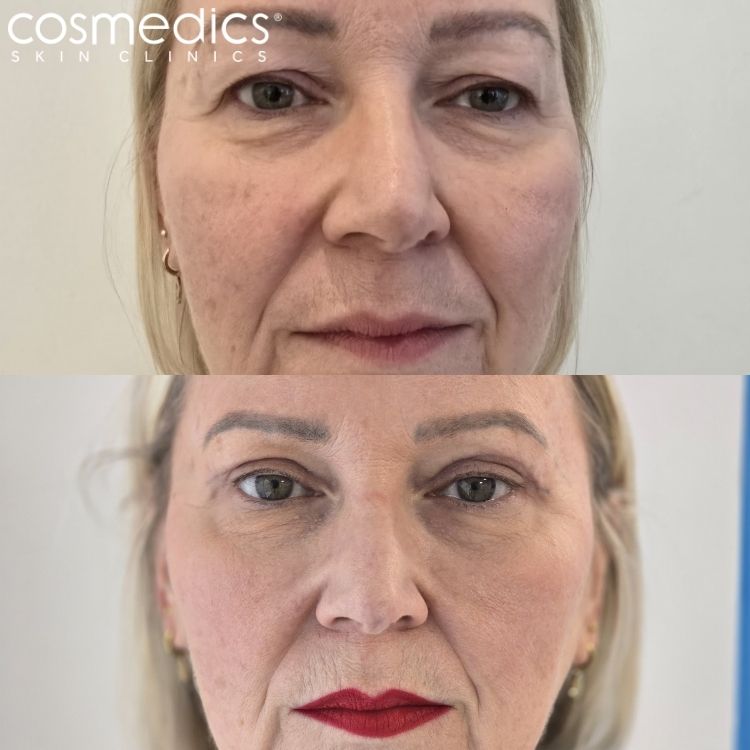
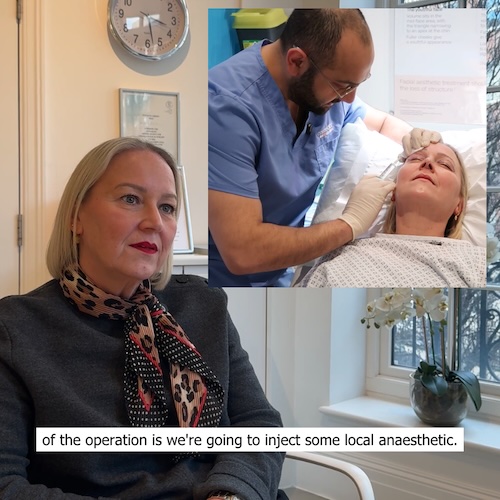

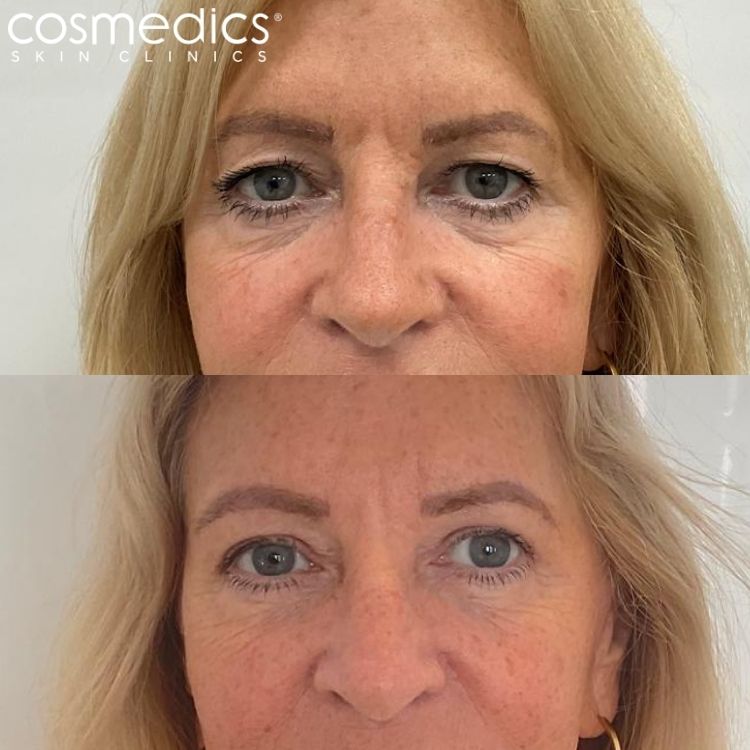
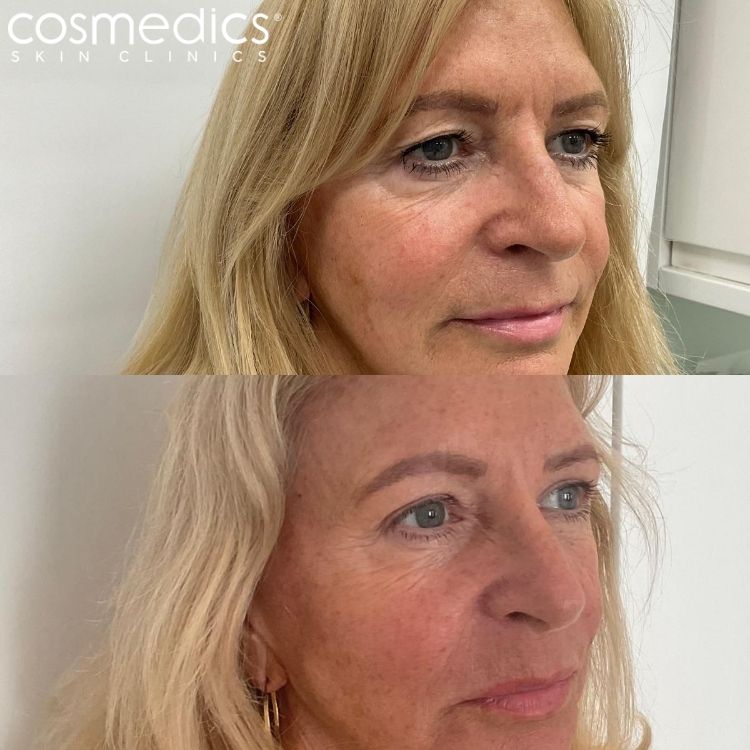
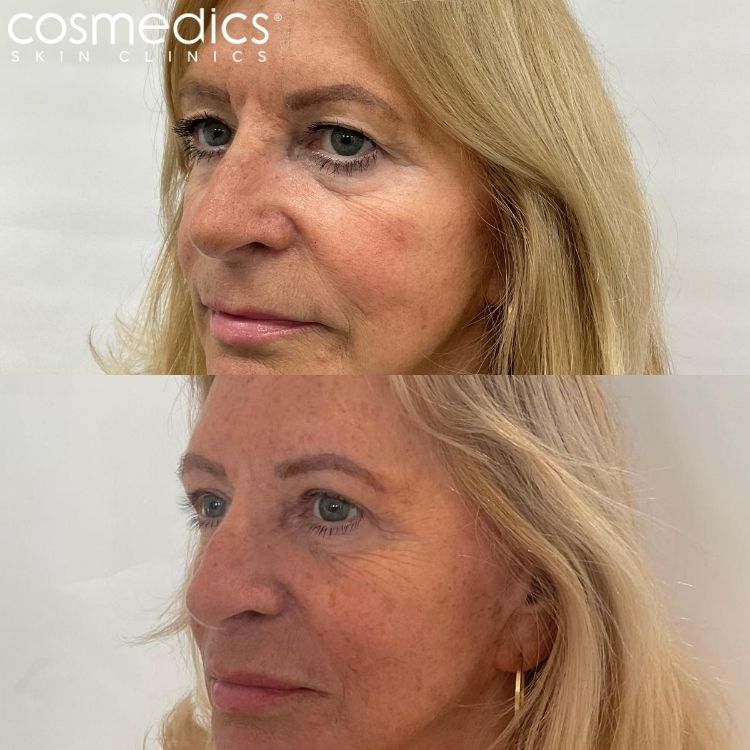
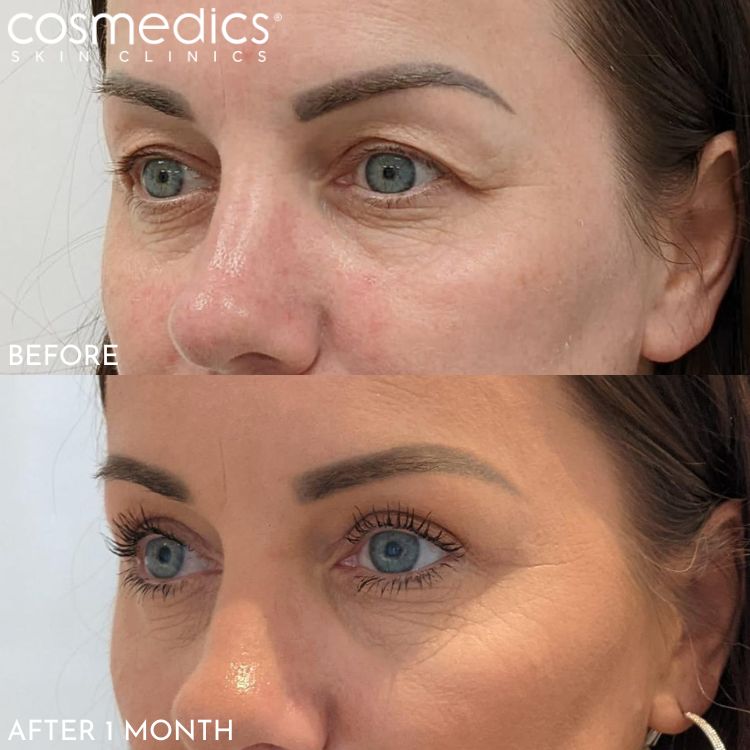
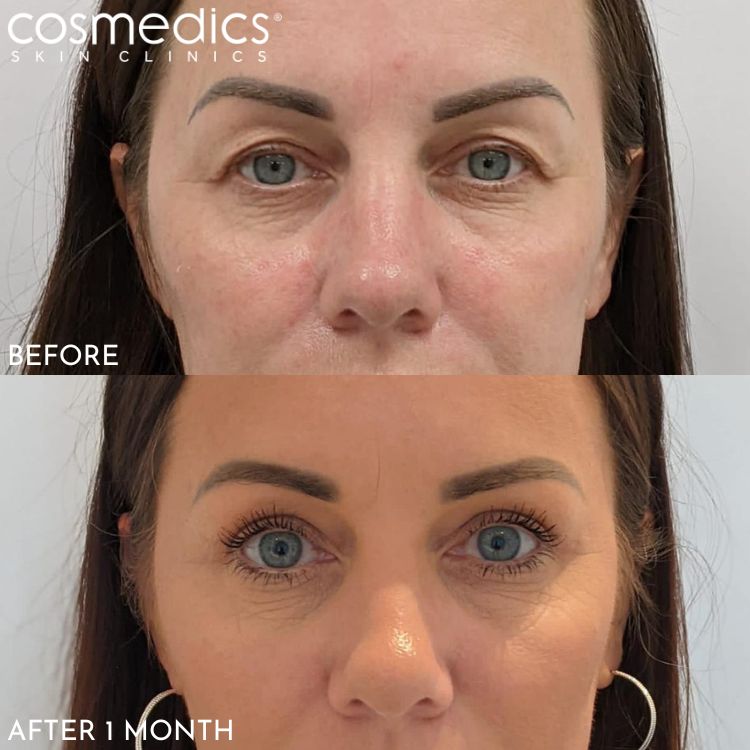
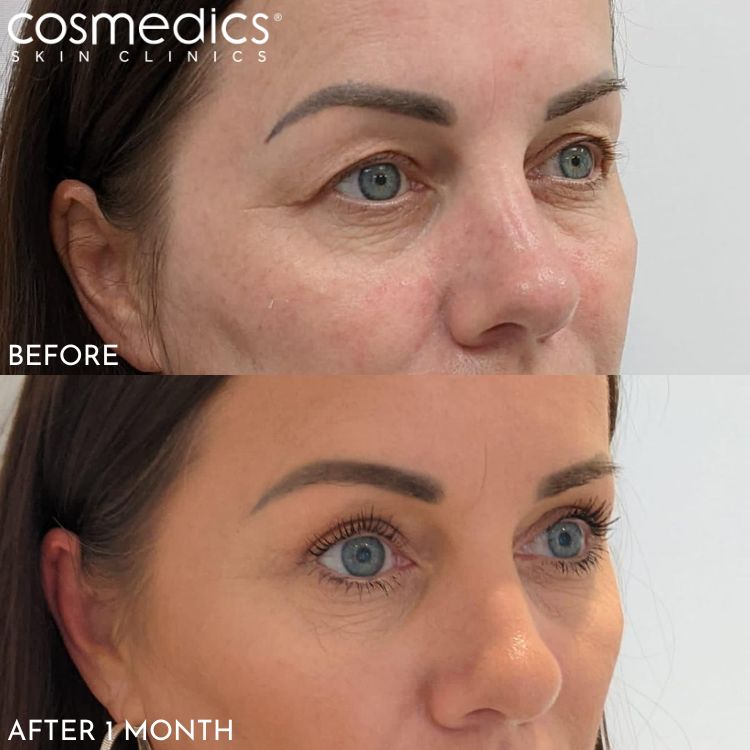


Please call us or fill in the form below and we will be delighted to help with your enquiry.
 0207 386 0464
Upper Eyelid Surgery (Blepharoplasty)
Refresh tired, heavy drooping eyelids with professional upper blepharoplasty at our London clinics. This minor surgical procedure removes excess skin and fat to create a more youthful, natural look. Performed under local anaesthetic by our leading UK oculoplastic and plastic surgeons, we ensure a quick recovery with minimal downtime and outstanding results that are long-lasting.
Upper Blepharoplasty Treatment Reviews
Treatment Benefits

Time

Recovery

Results

Duration
Eyelid Lift Costs
| Treatment | Cost |
|---|---|
| Consultation | £150 |
| Upper blepharoplasty price for BOTH eyes | From £3,250 |
Upper Blepharoplasty Consultation
A pre-treatment consultation with our plastic surgeon is required to assess your face and eye area in detail; and discussed the best options with you. *The exact price can only be determined once the surgeon has examined your face and eye area in detail in order to give advice based on a full diagnosis.
Please call 0207 386 0464 OR email [email protected] for help.


Upper Blepharoplasty Treatment Information
Eyelid concerns
As we get older the upper eyelids tend to look heavier and more hooded due to the brow becoming lower but also the excess skin that forms as part of the ageing process.
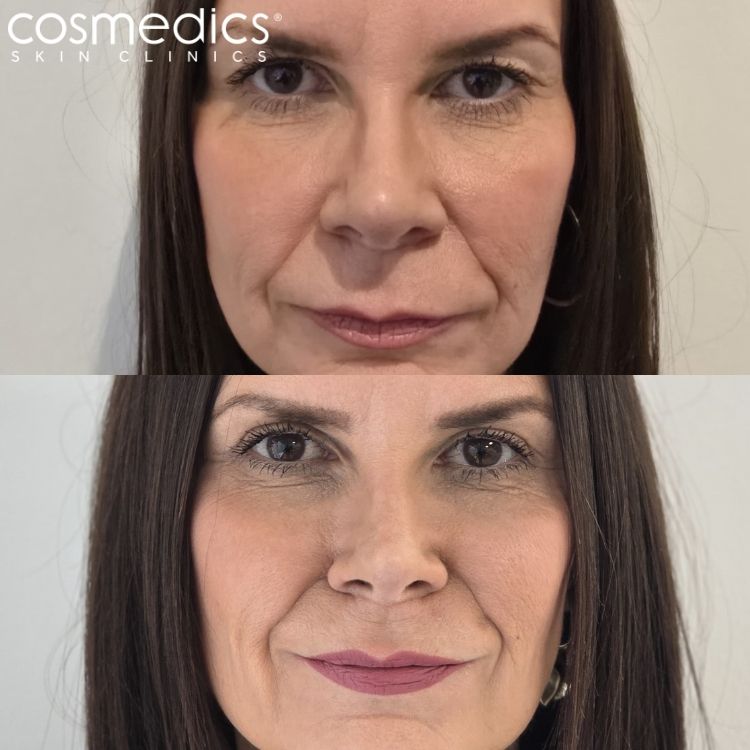
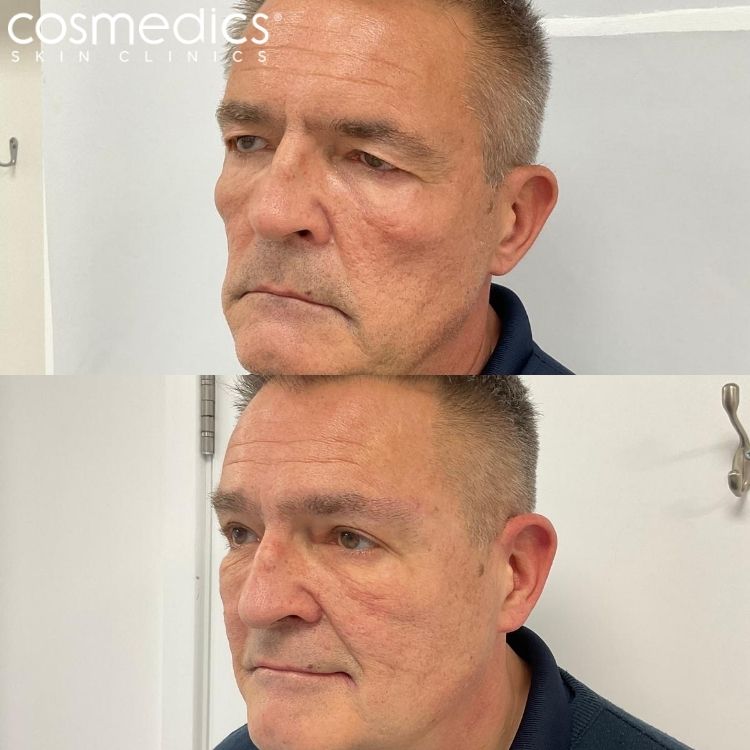
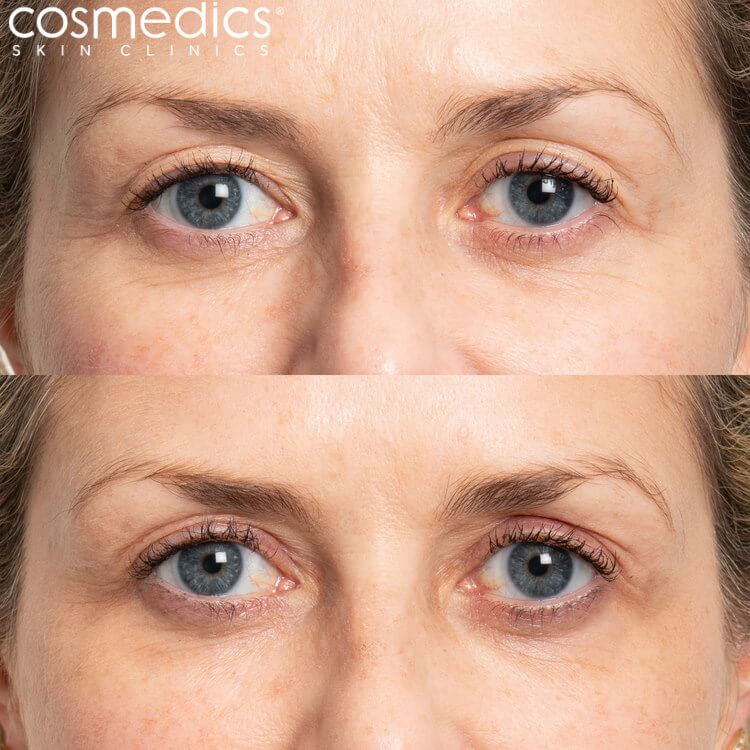
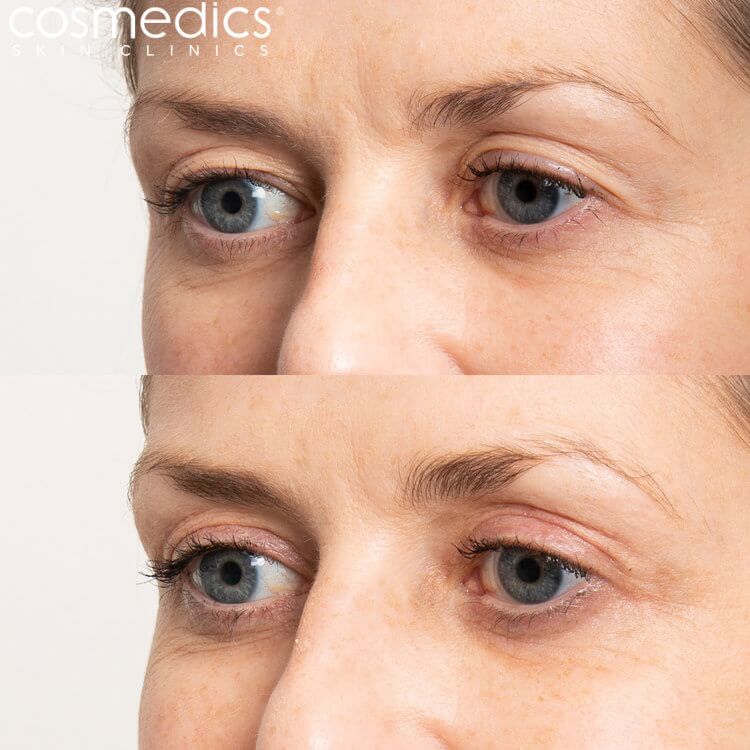
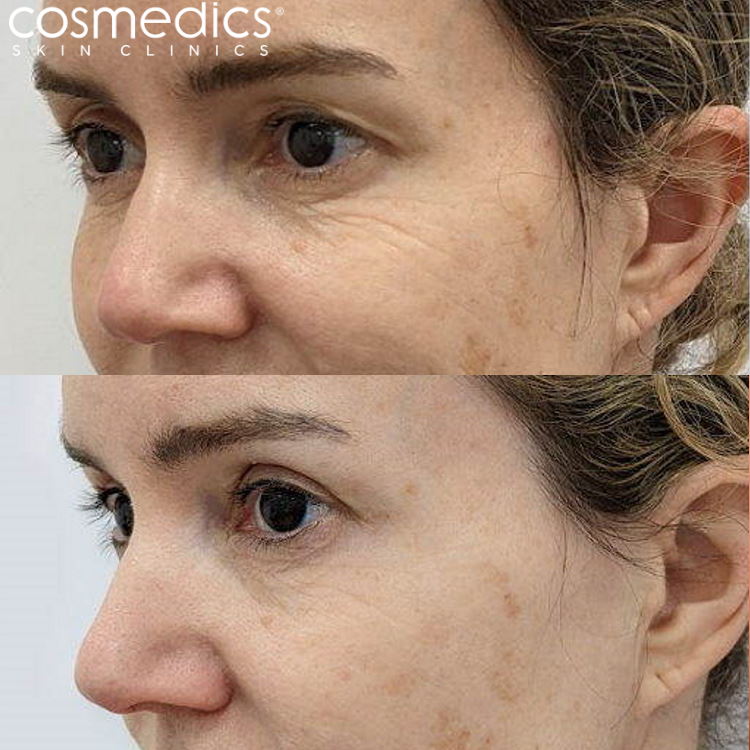
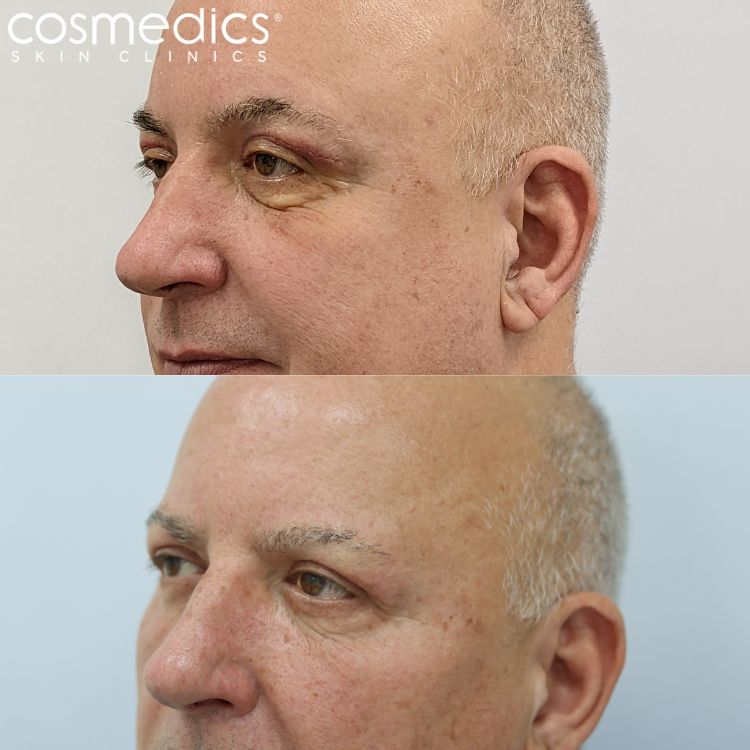
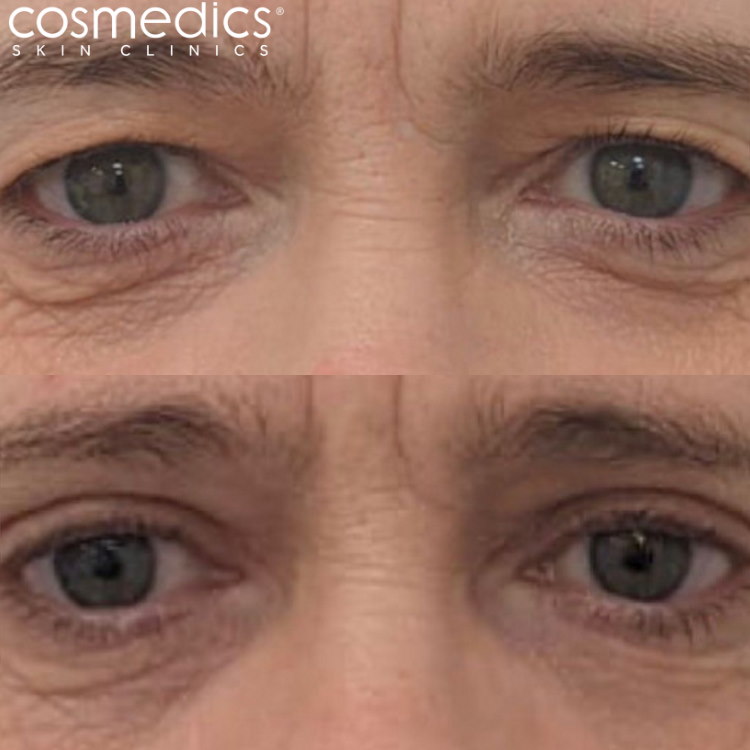
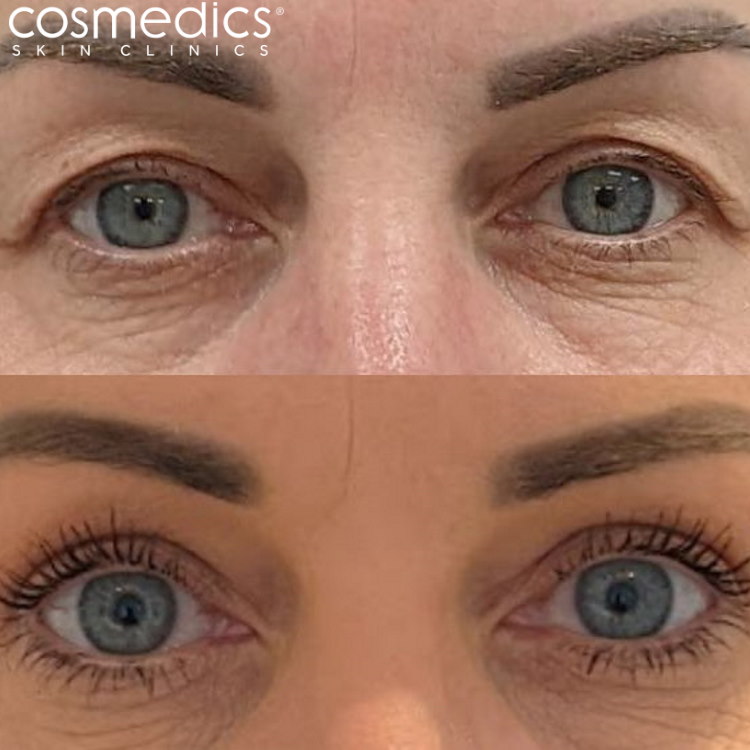
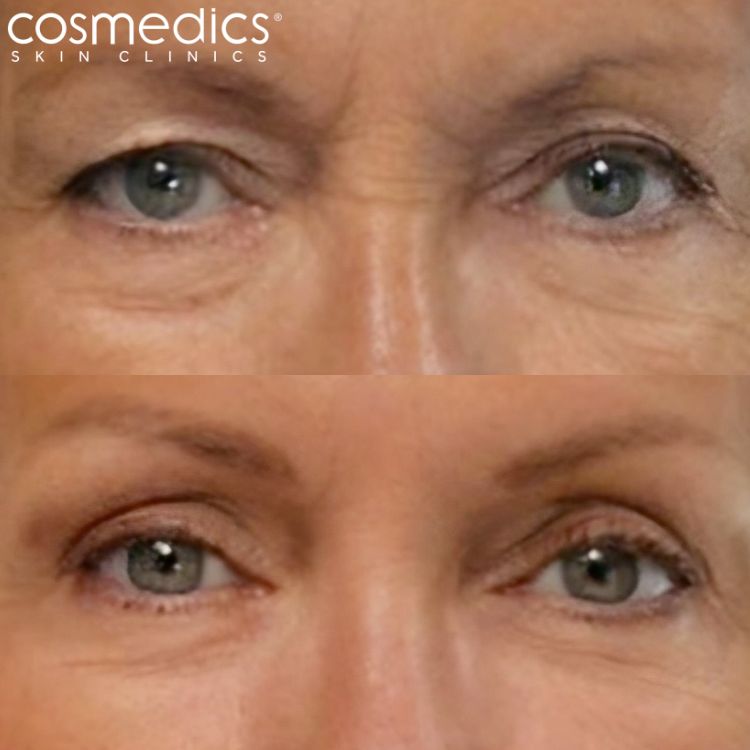
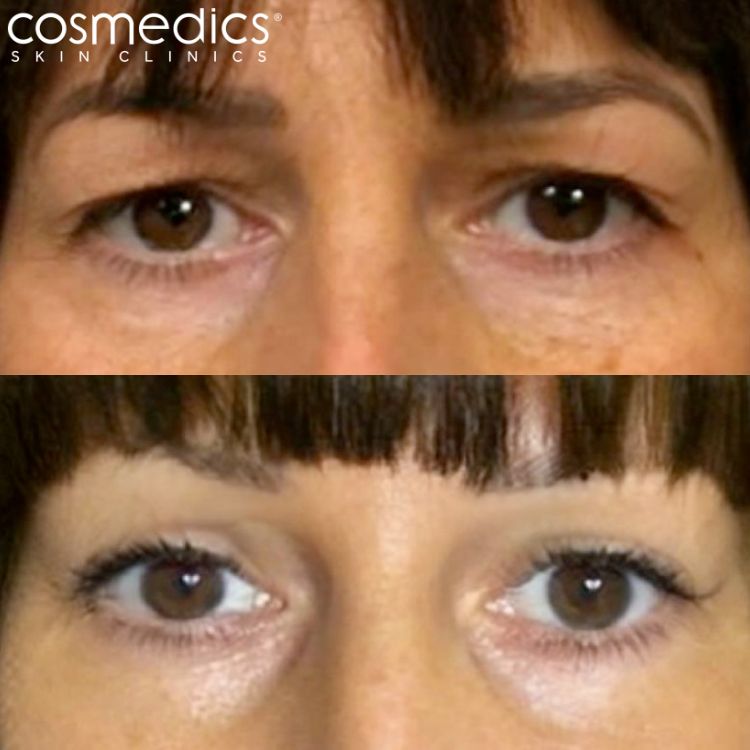
An upper blepharoplasty or eyelid lift is a simple surgical procedure for both men and women in their mid thirties upwards. It helps rejuvenate the eye area by removing any excess or hooding skin and in turn opens the eyes giving a more attractive, fresher look that is both younger and less tired in appearance.
Surgeons you can trust
At Cosmedics we have handpicked the very best oculoplastic and plastic surgeons who are both experts in eyelid cosmetic surgery.
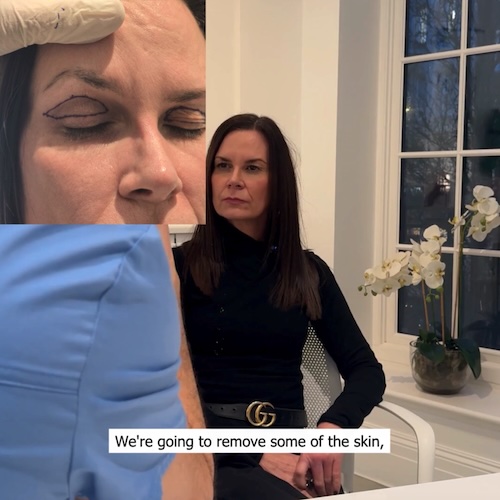
You will need to have a pre-treatment consultation where the surgeons will go over your expectations and suitability. A blepharoplasty or eyelid lift is then often performed a week or two later under a local anaesthetic injected rather than general anaesthetic. This means you are awake however you don’t feel anything and means you can go straight home after about an hour and a half.
Surgical Eyelid Surgery
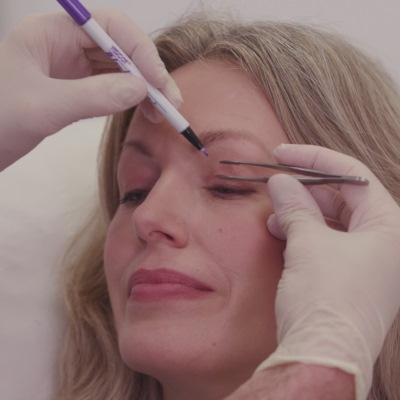
The procedure involves your surgeon making a cut in the natural skin crease of your upper eyelid. They will remove any excess skin and fat and close the wound using very fine stitches. The incision scar will be hidden in the skin crease so you will never see it. The stitches are removed 5-7 days later. You will have some bruising and swelling for 5-10 days afterwards but you will be ok to carry on normal daily activities after 3-4 days.
For those are not quite ready for eyelid surgery non-surgical treatments such as BOTOX® or dermal fillers can be helpful in refreshing the eye area but do not tackle excess skin.
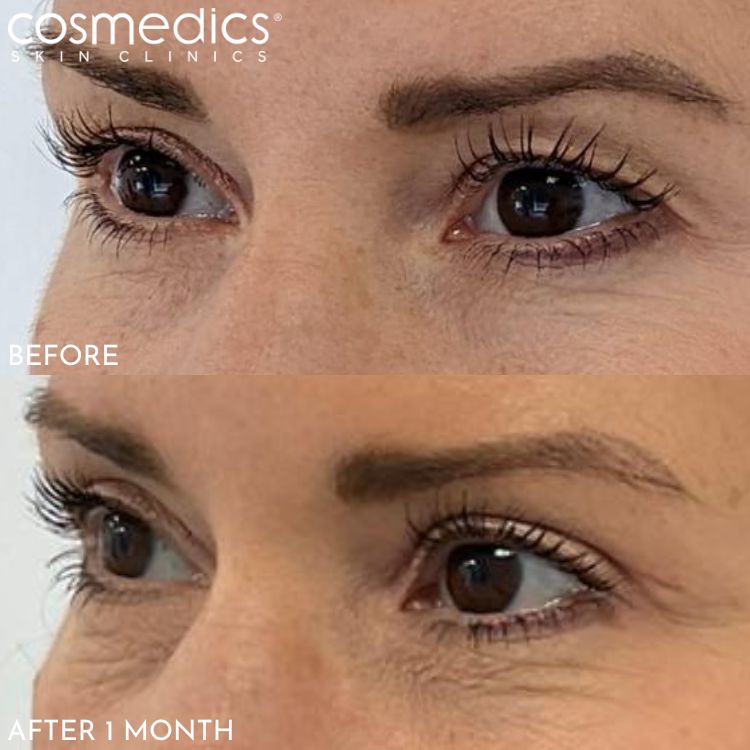
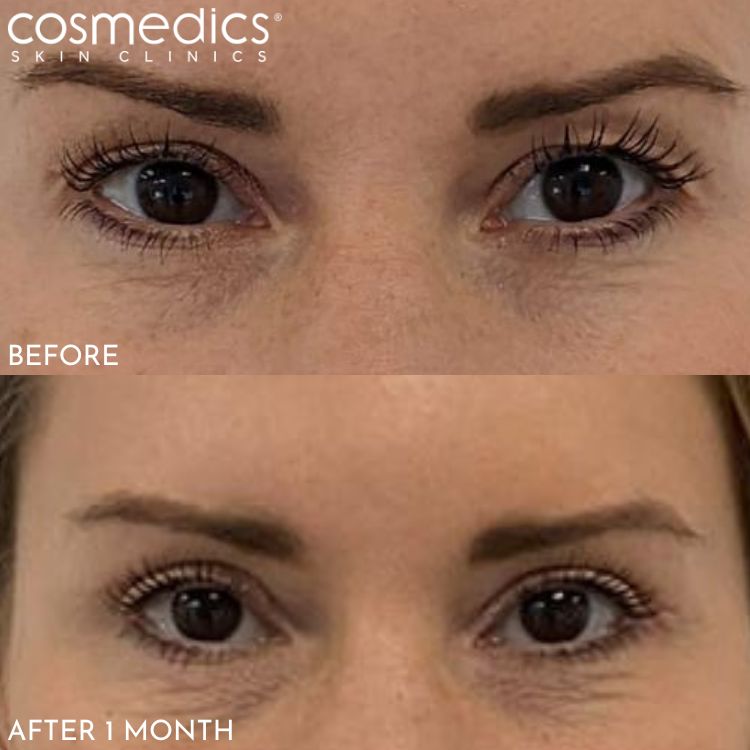
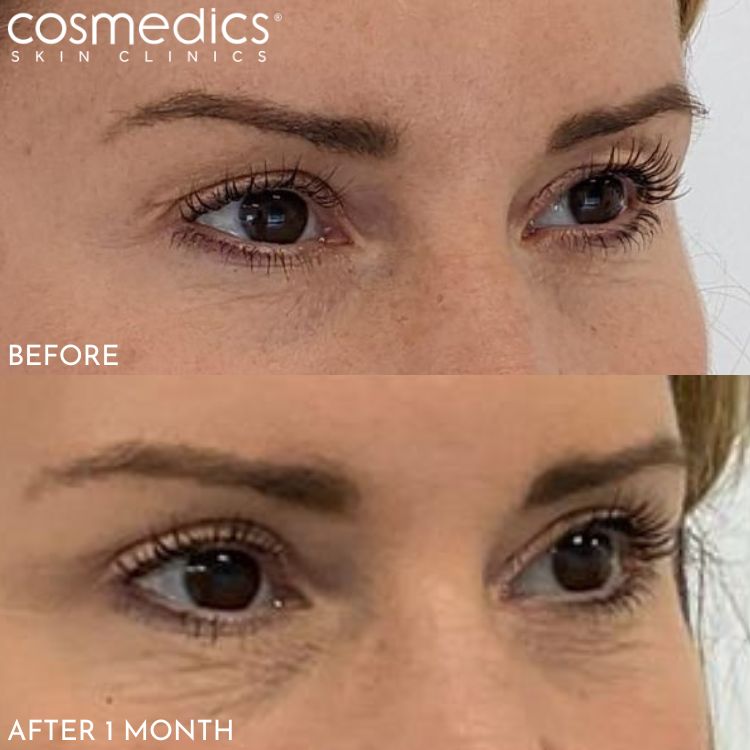
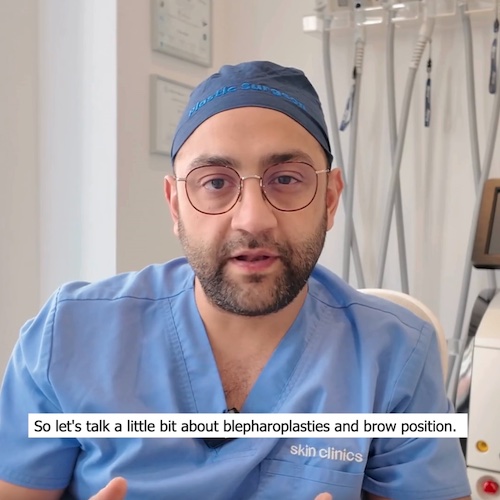
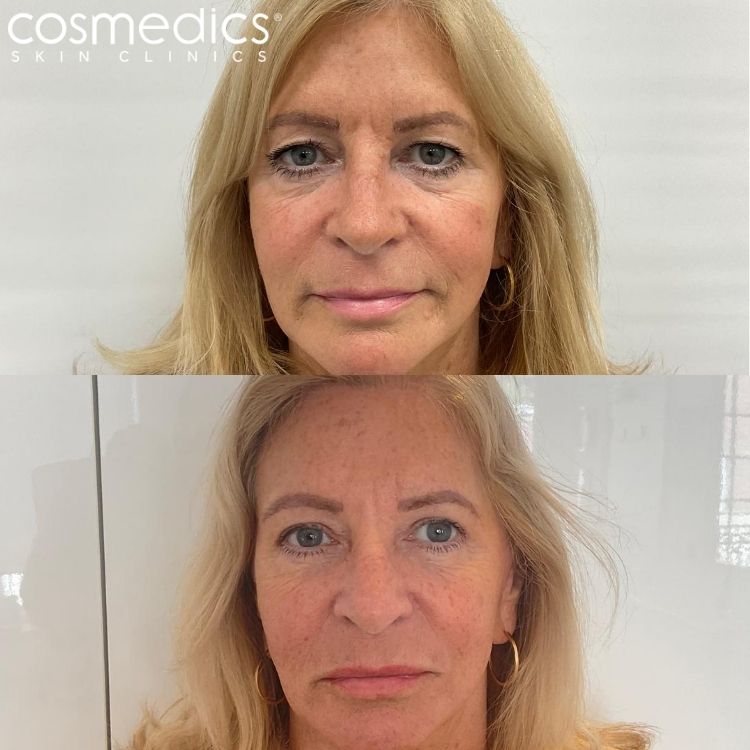
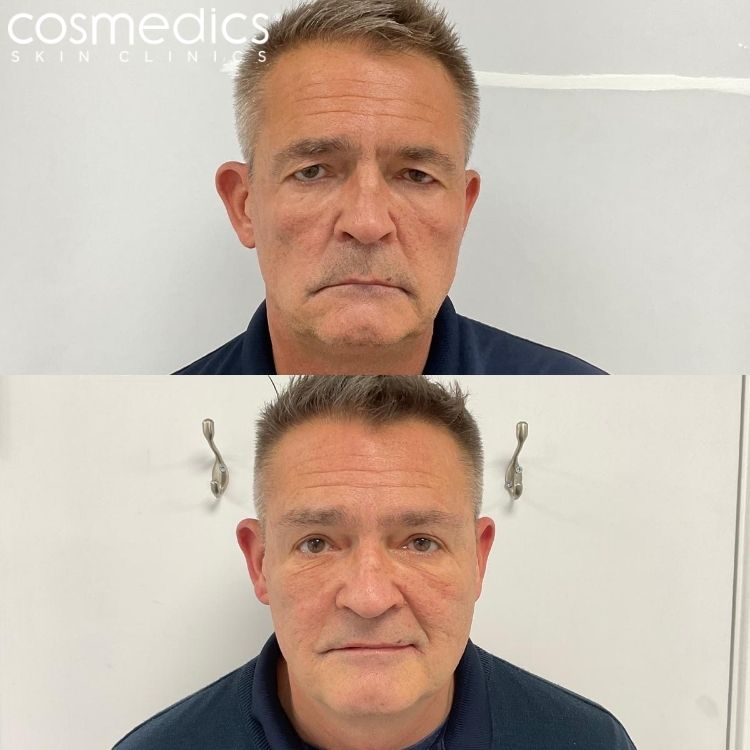
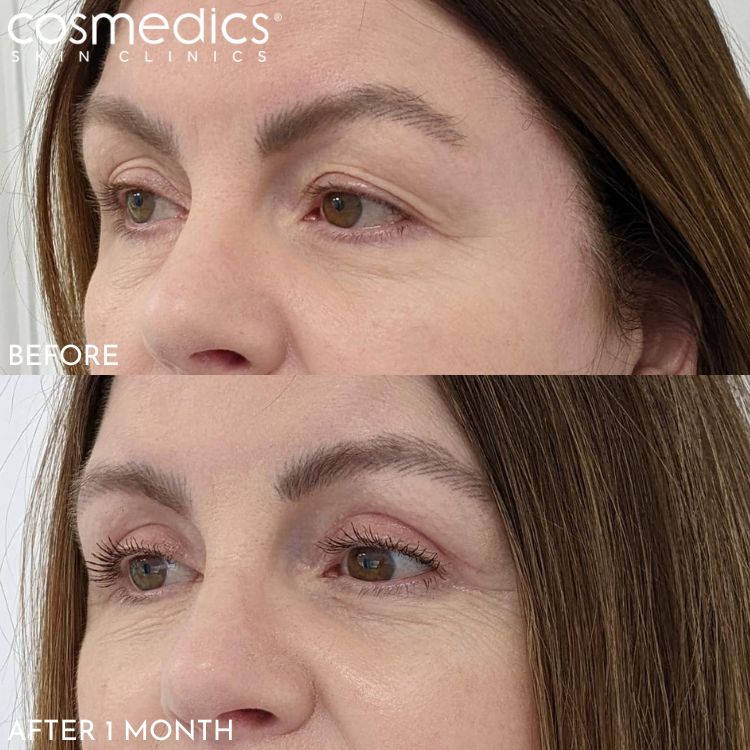
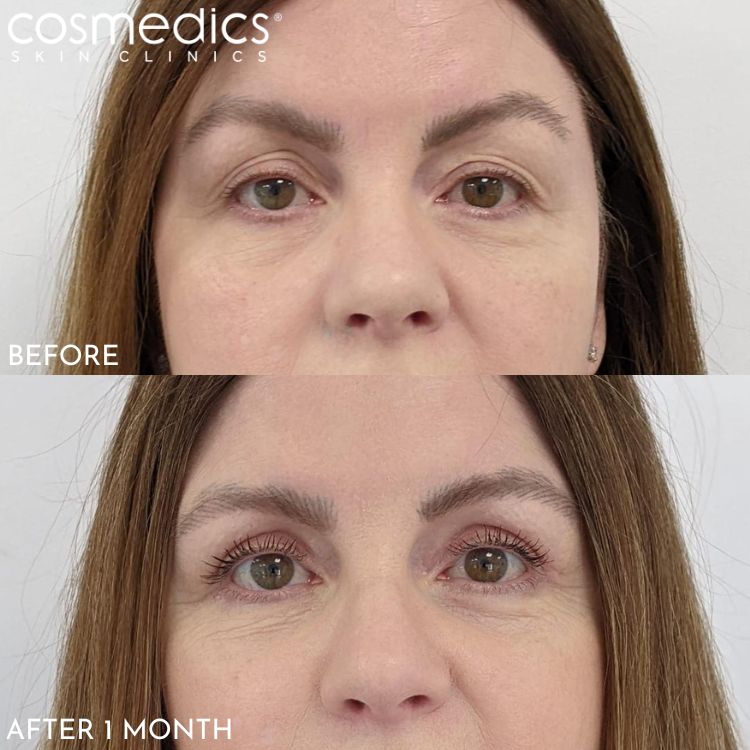
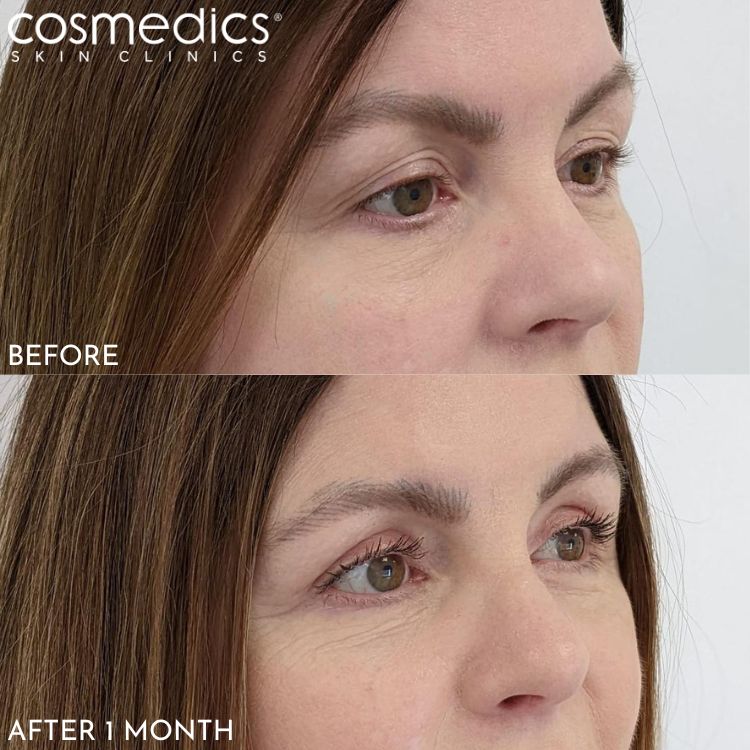
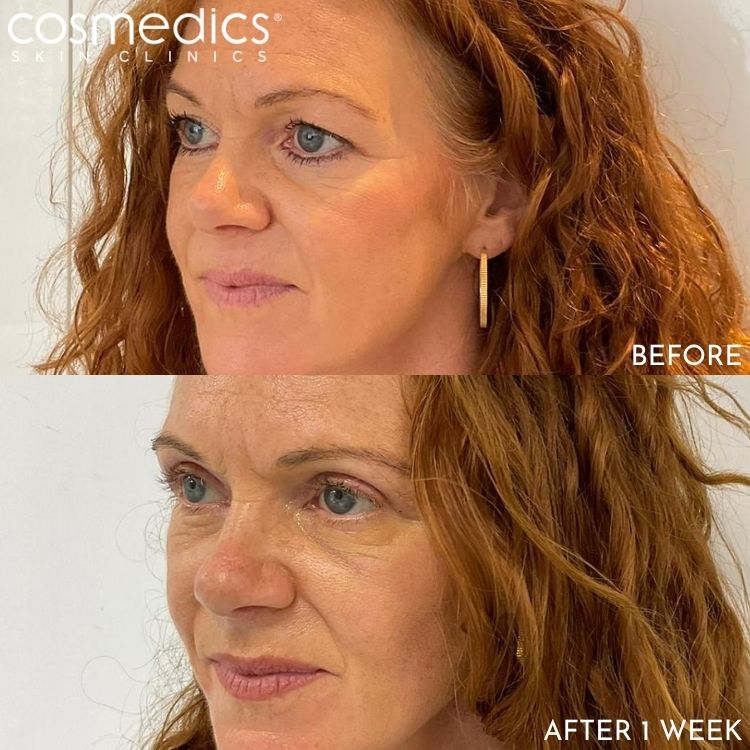
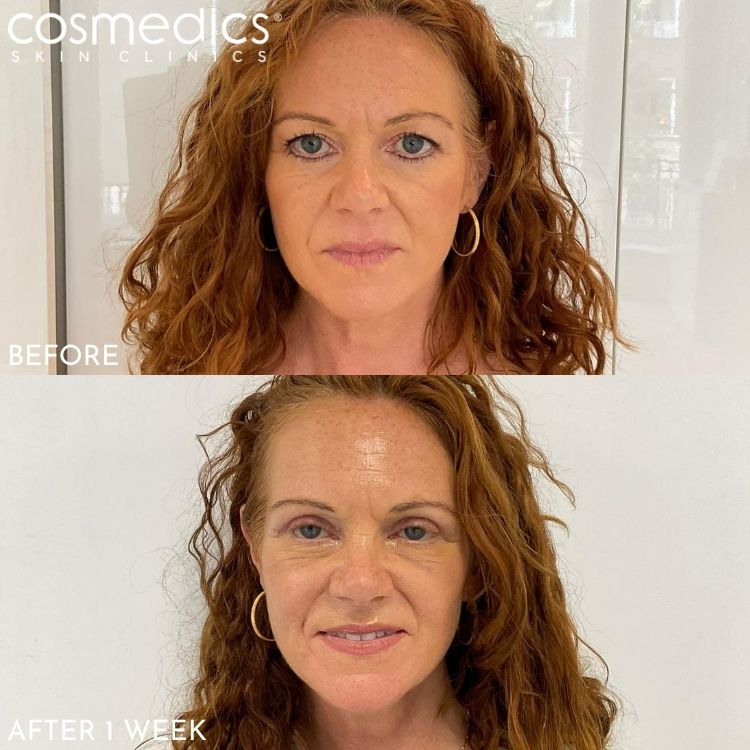
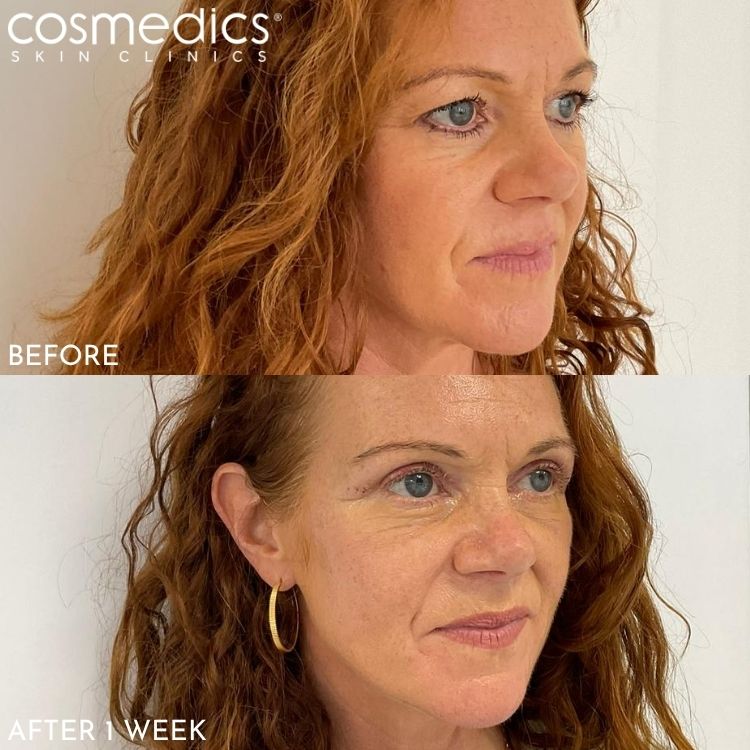
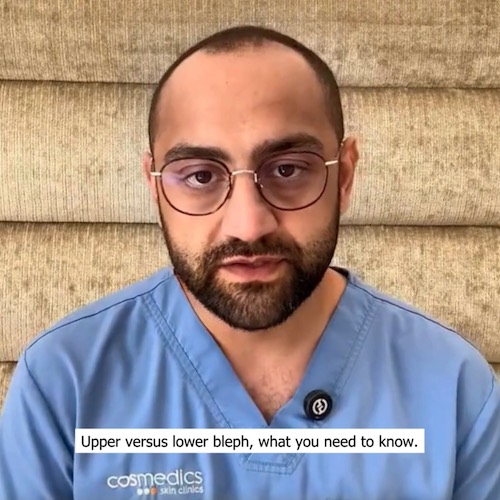
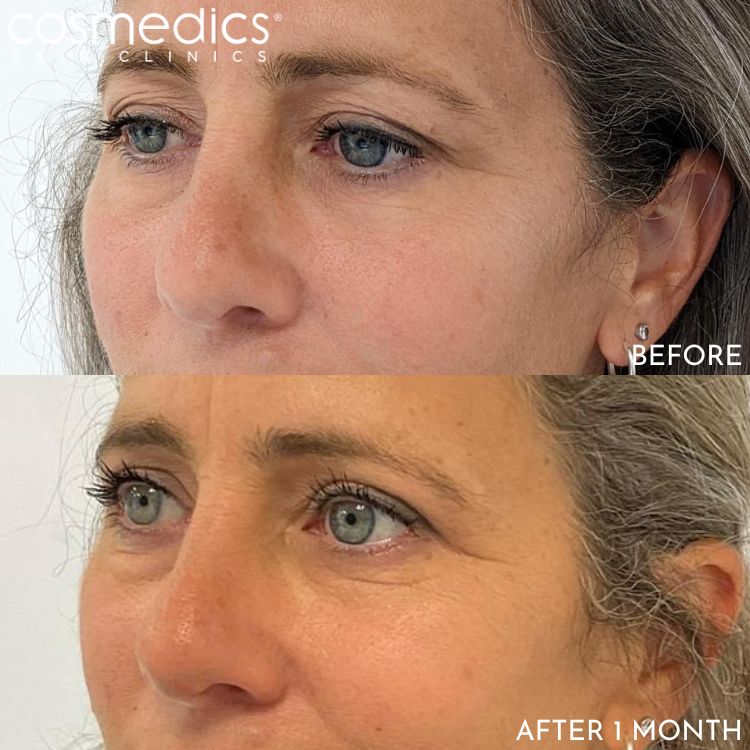
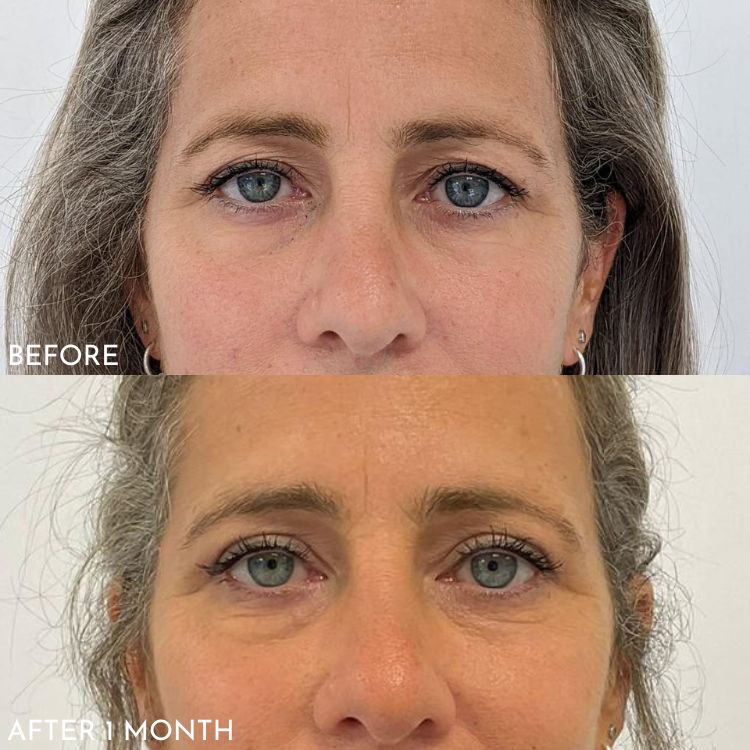
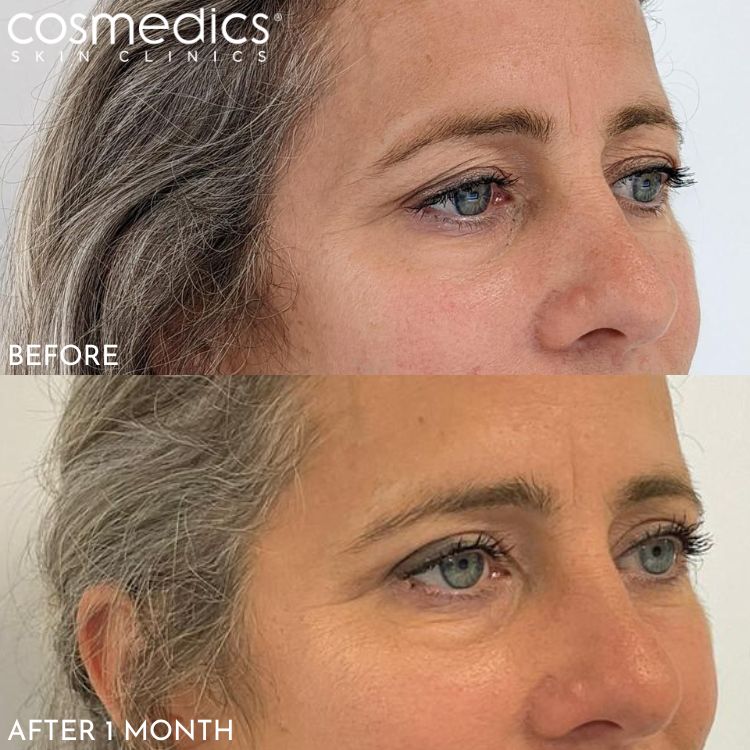
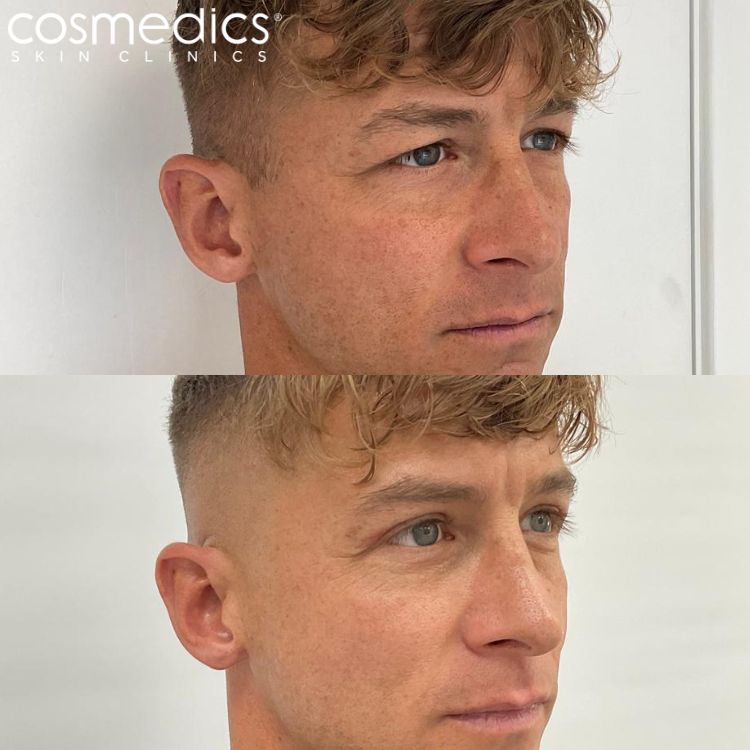
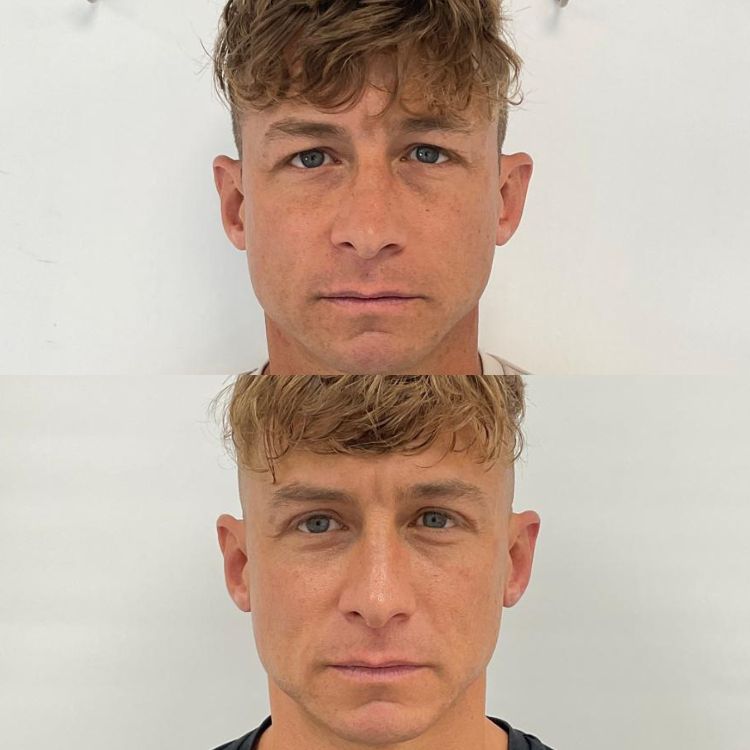
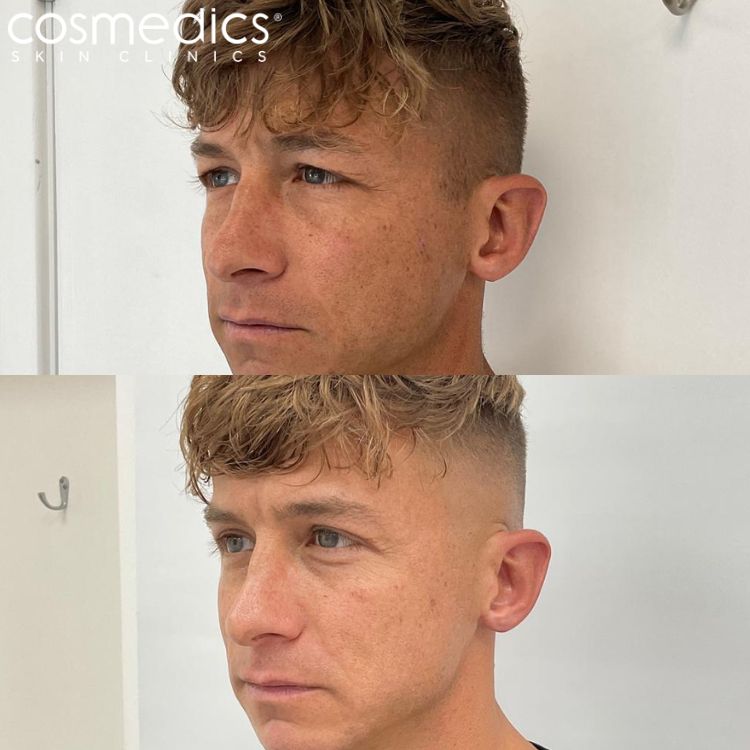
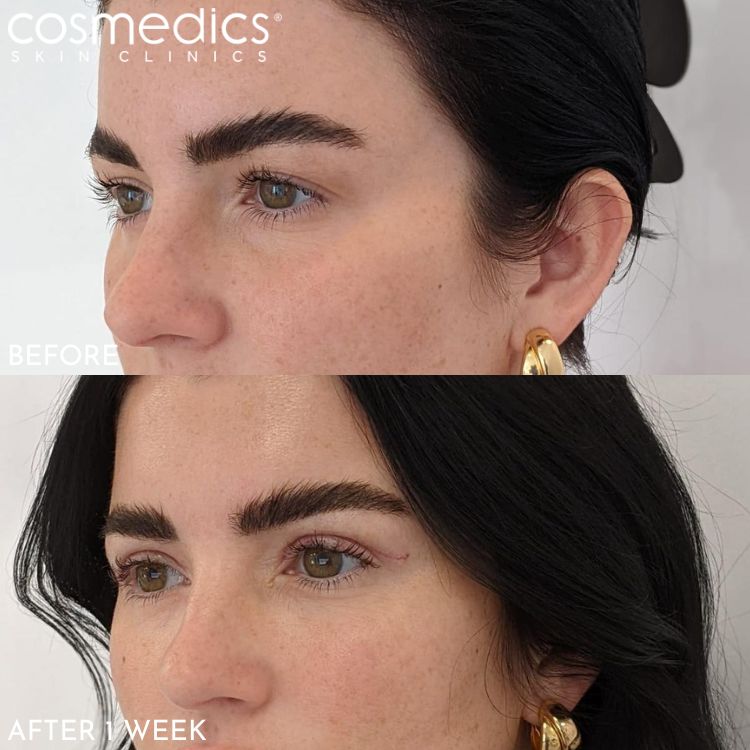
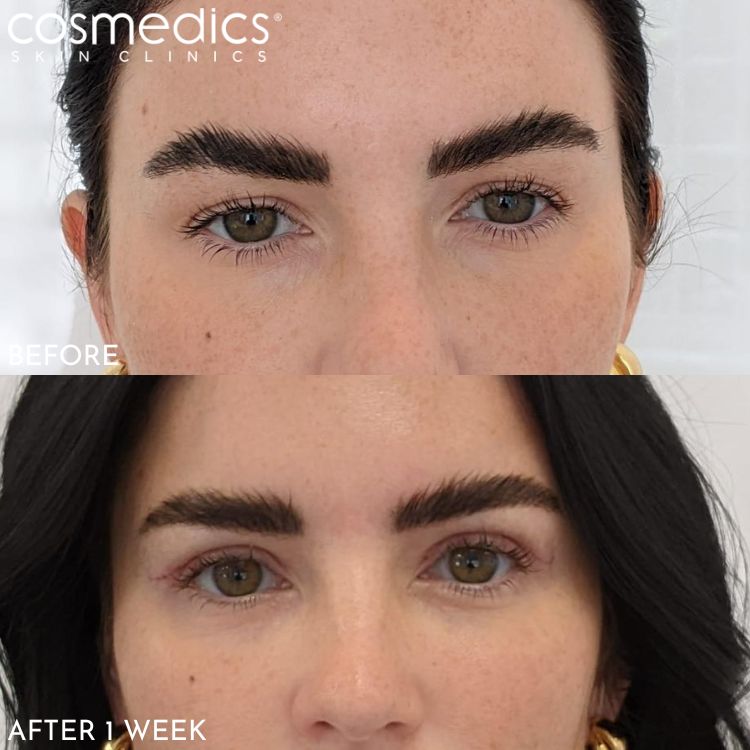
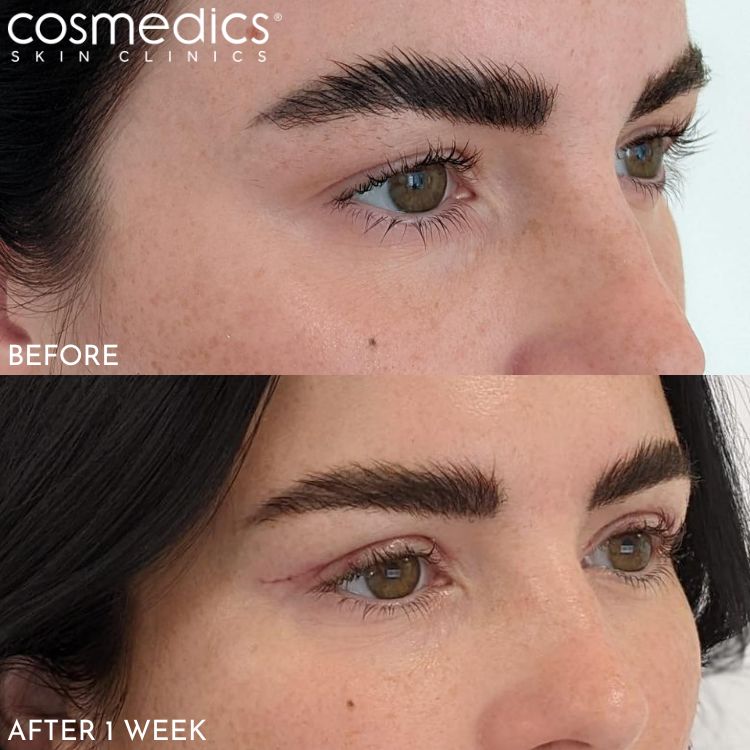
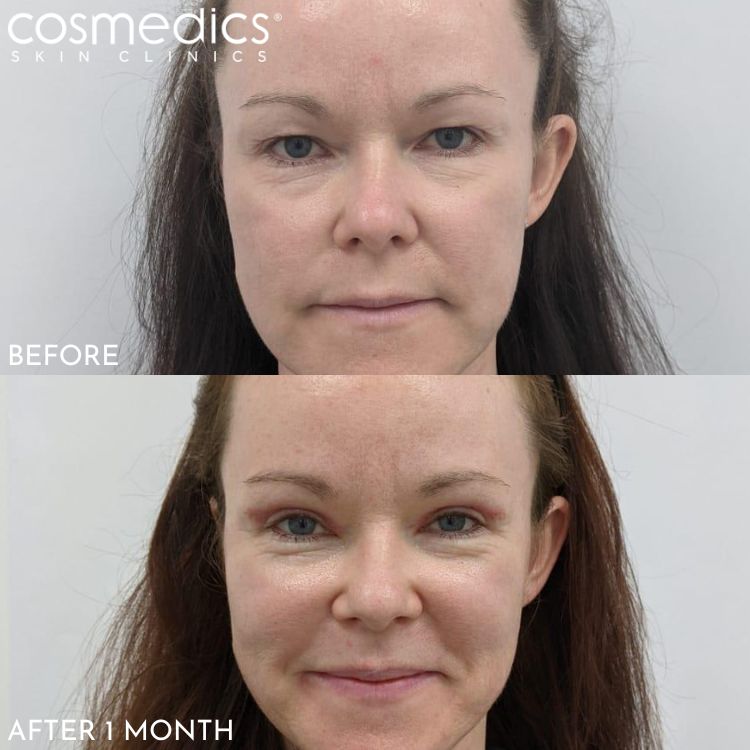
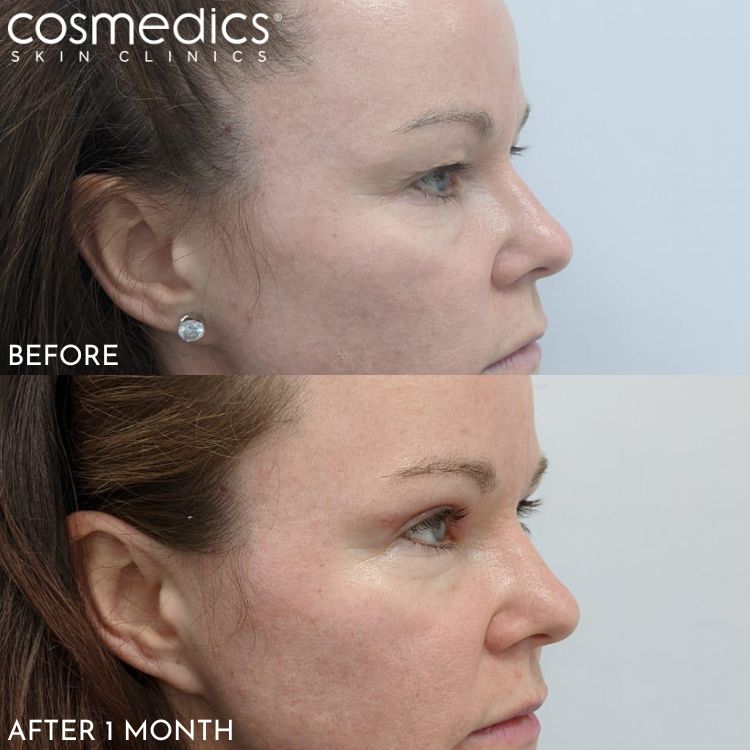
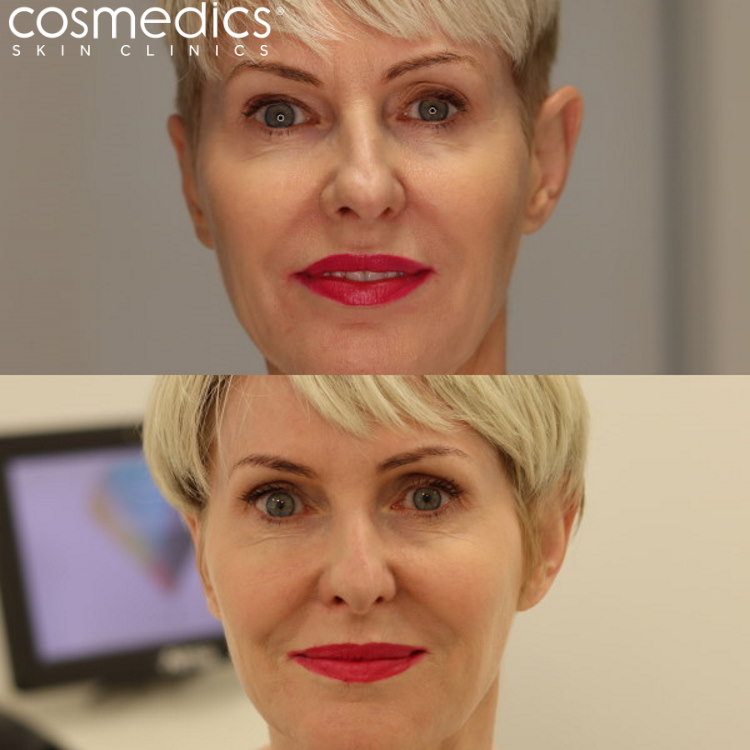
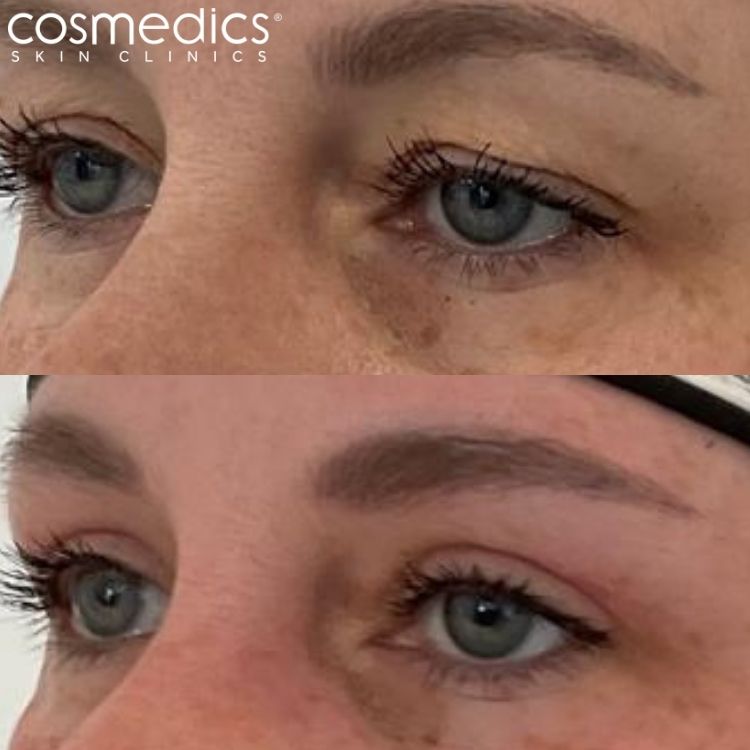
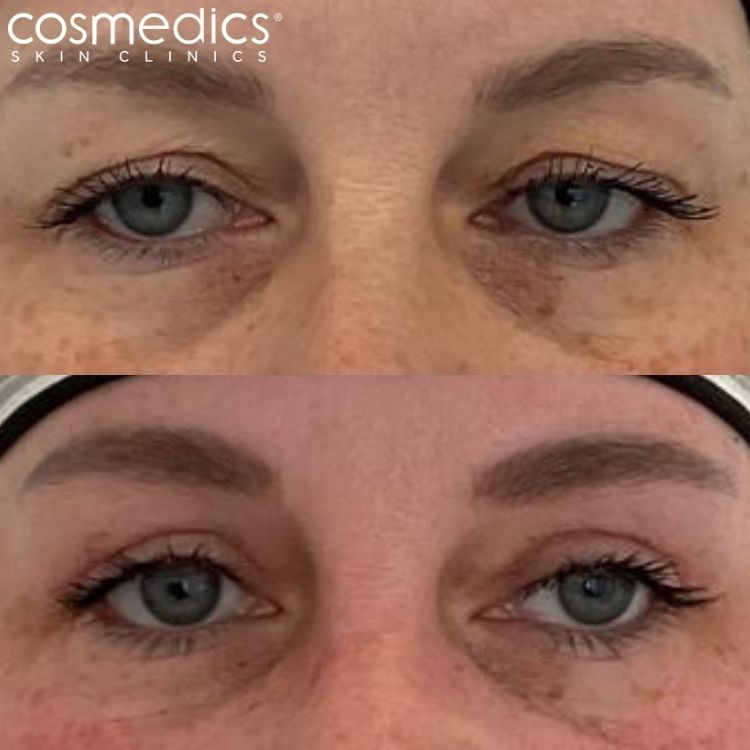
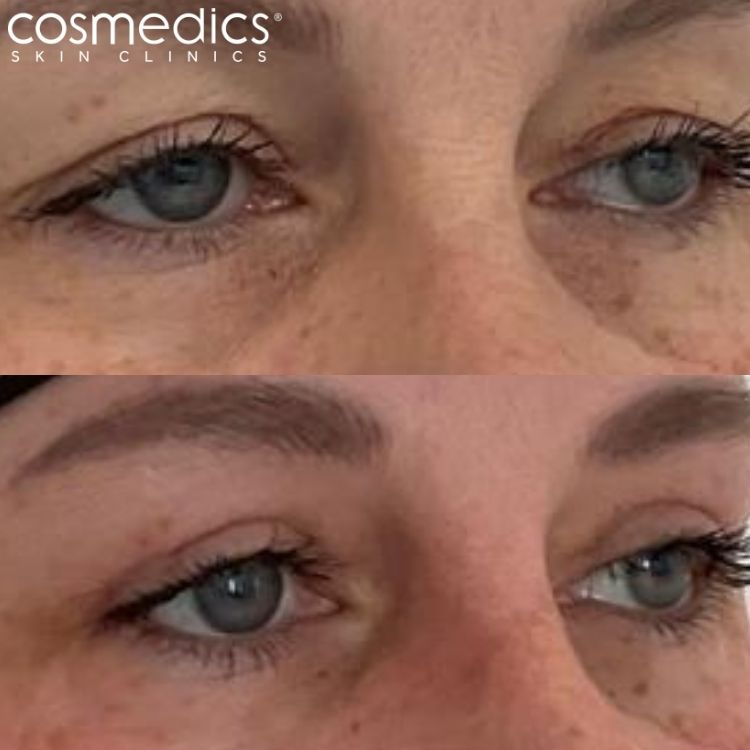
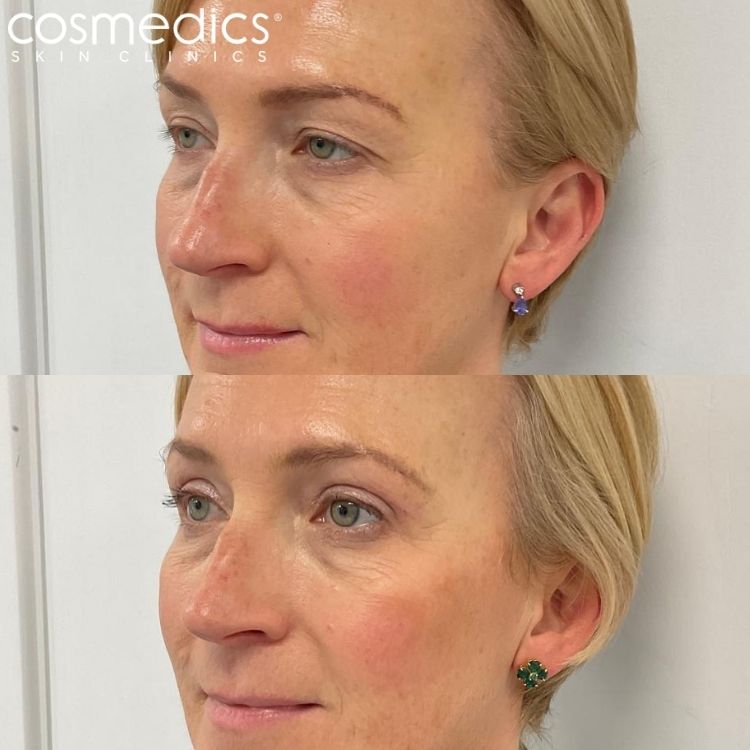
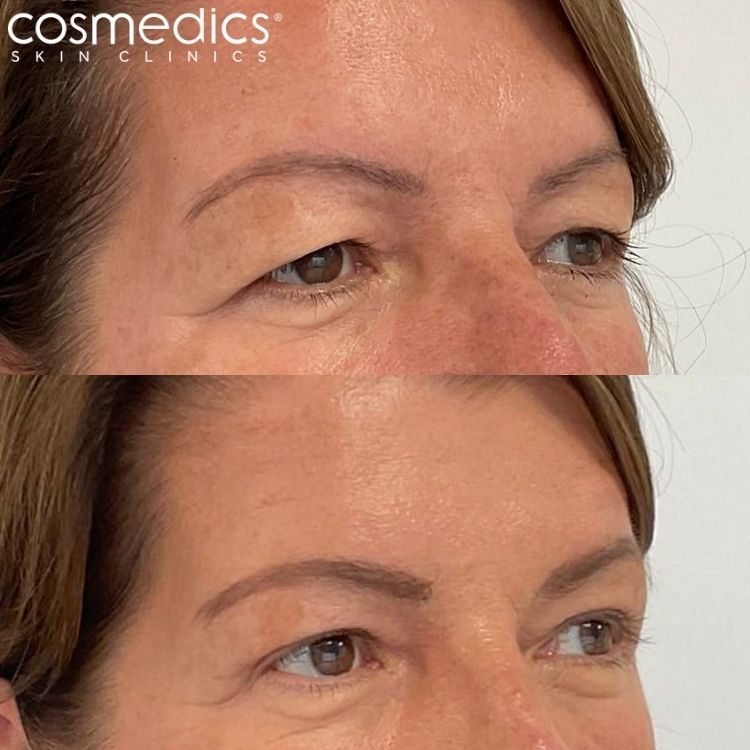
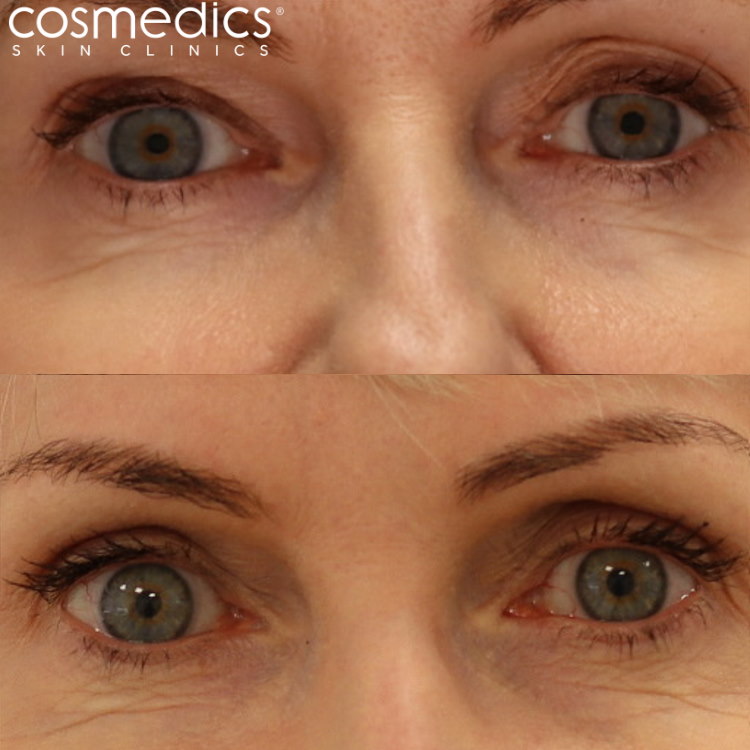
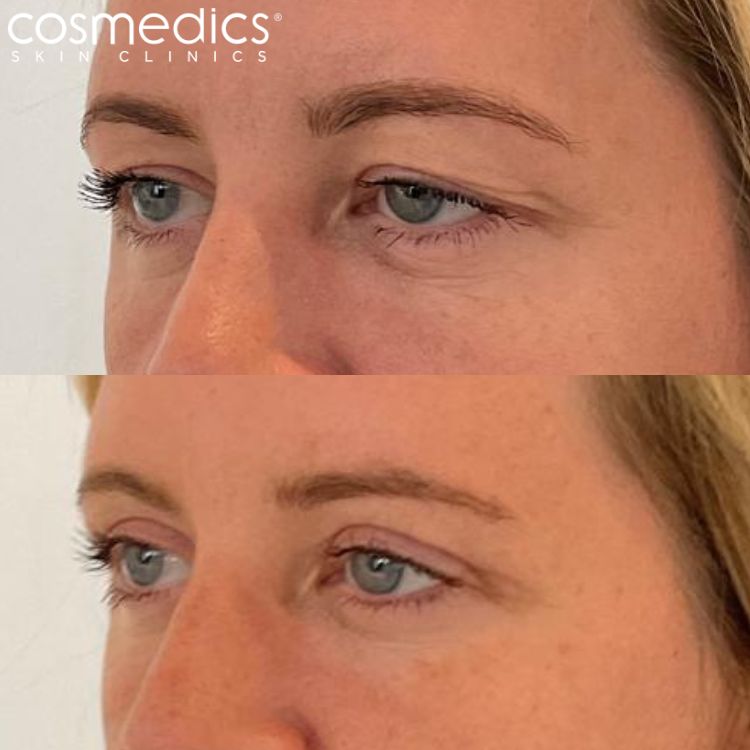
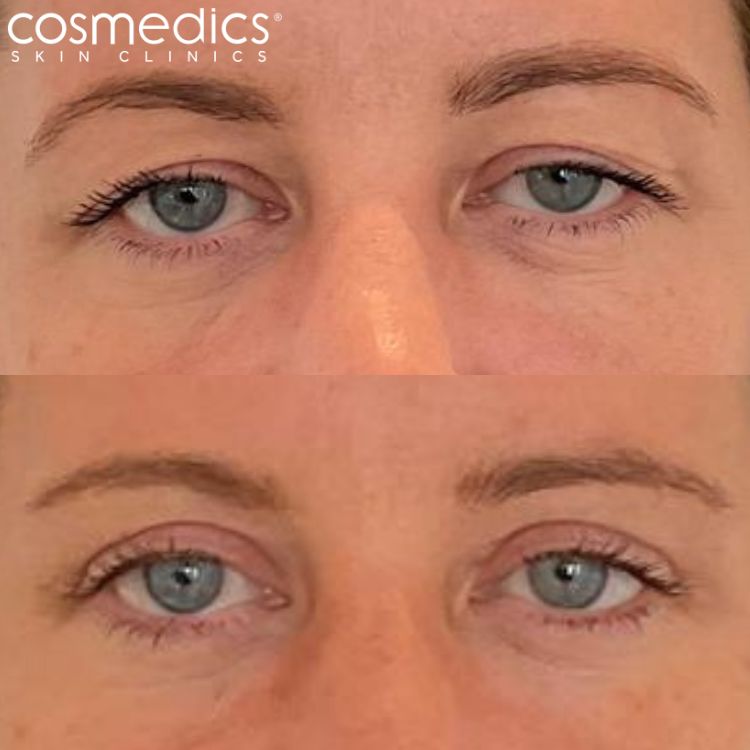
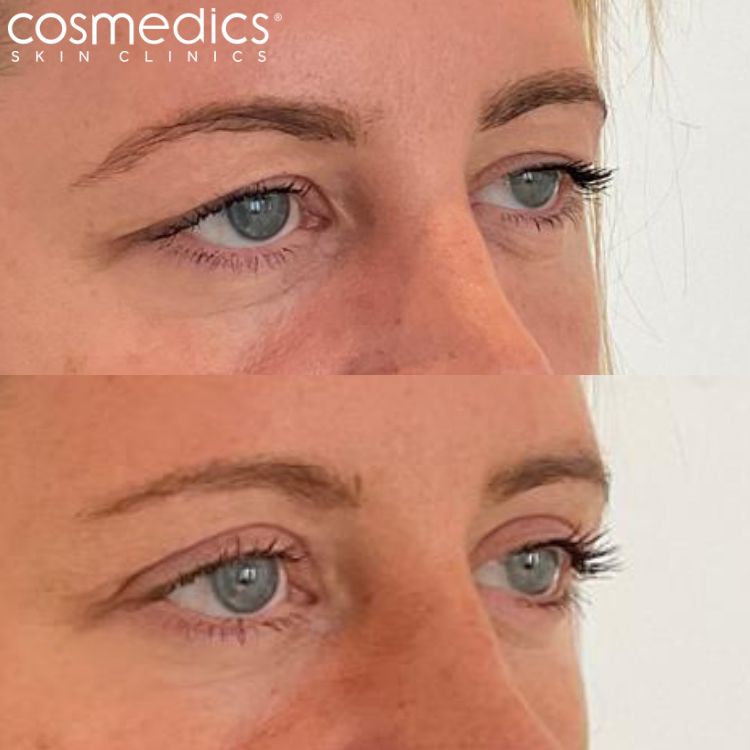
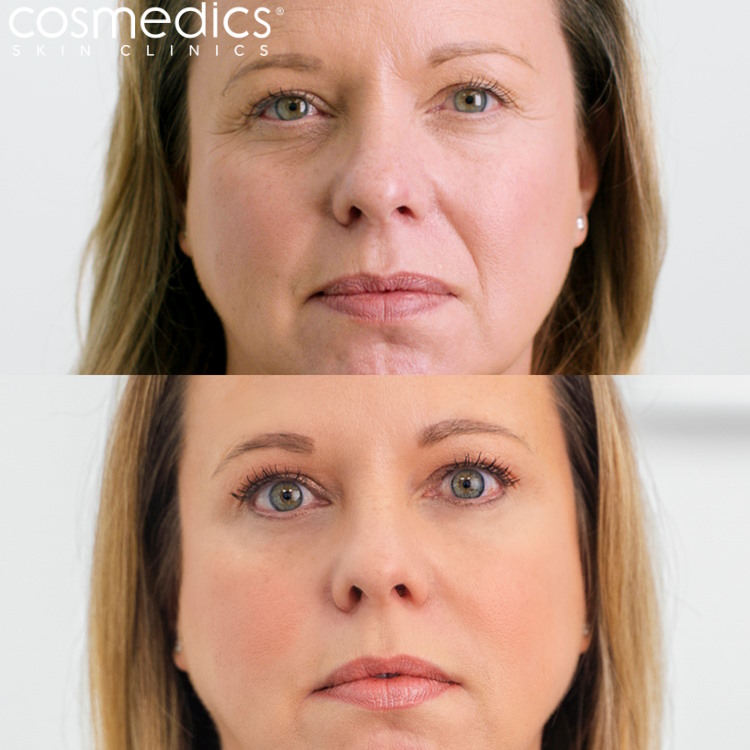
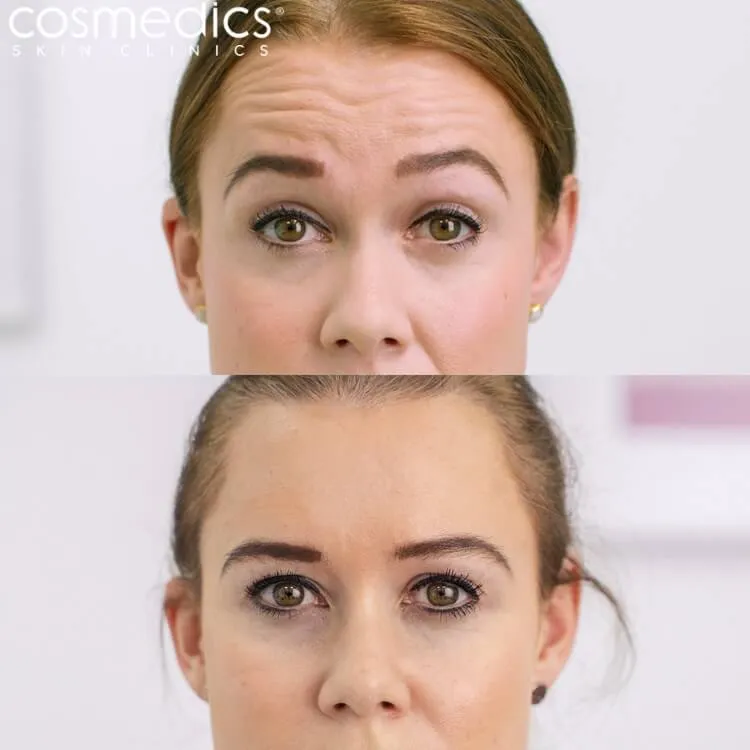
Before & After Photos and Video

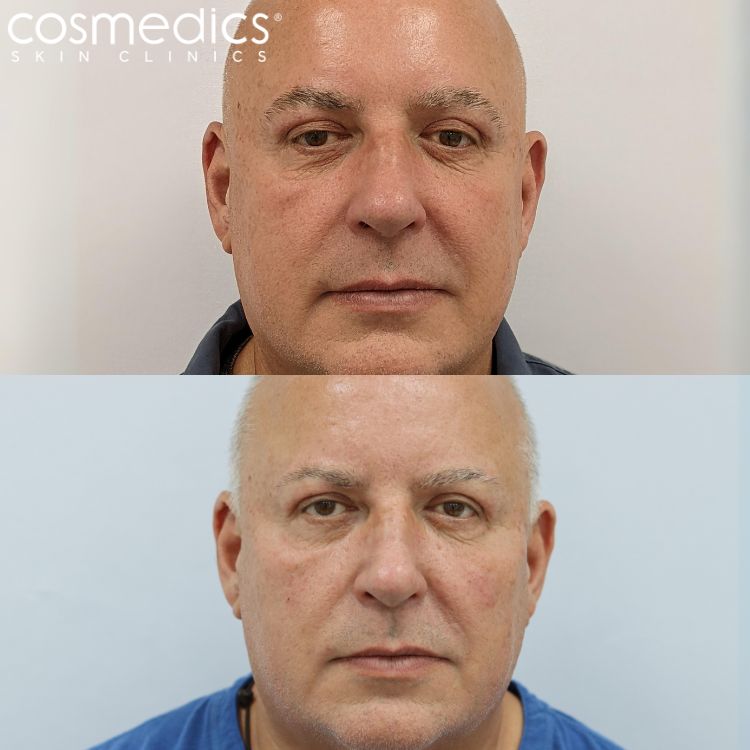
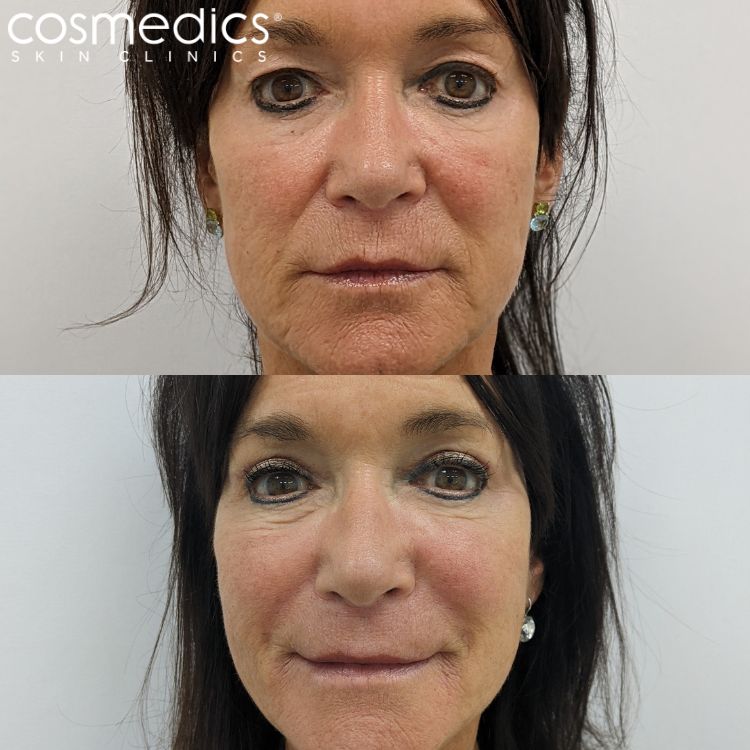
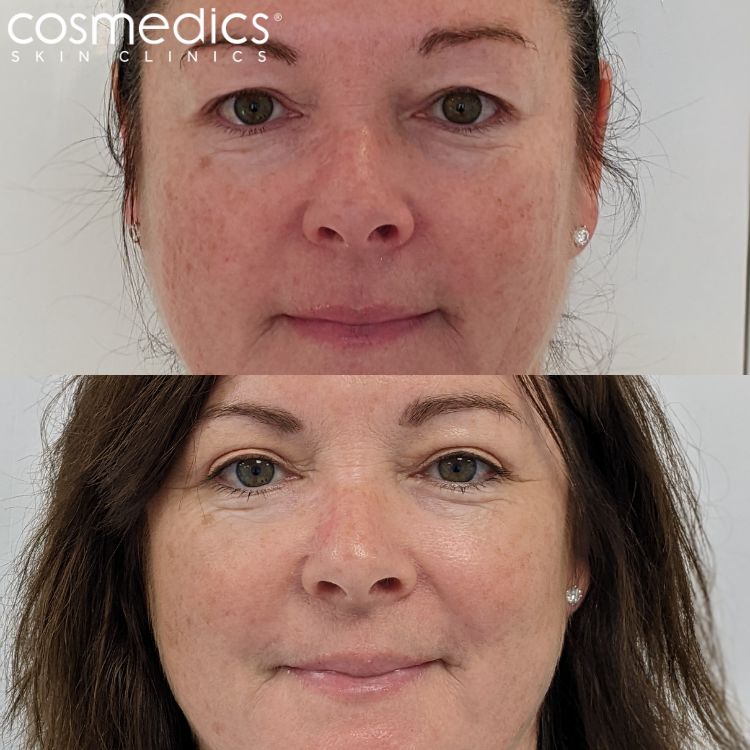

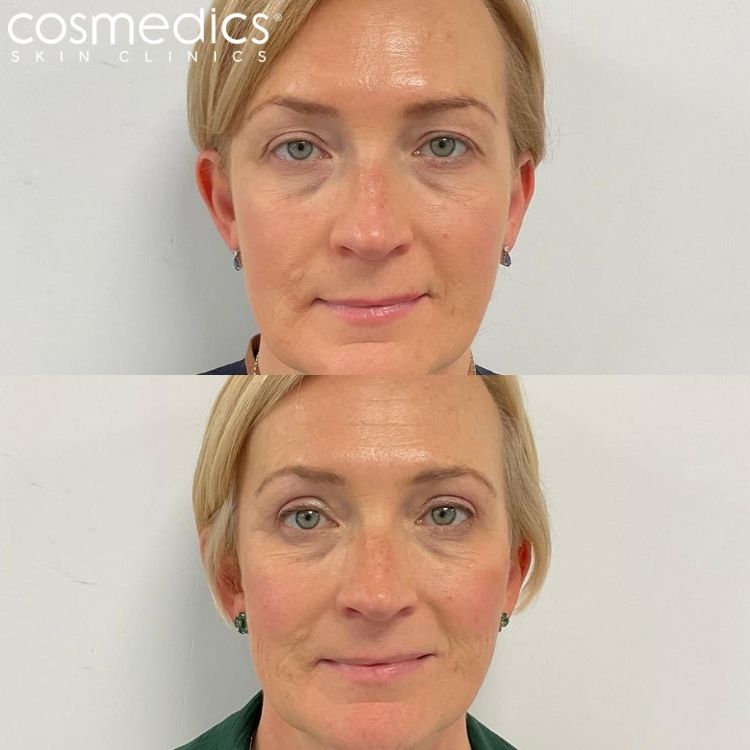
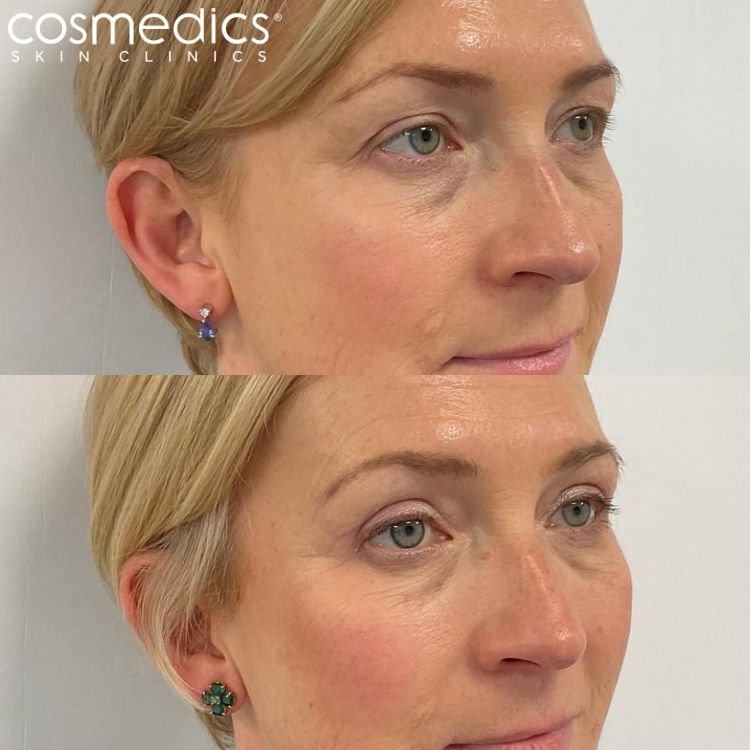
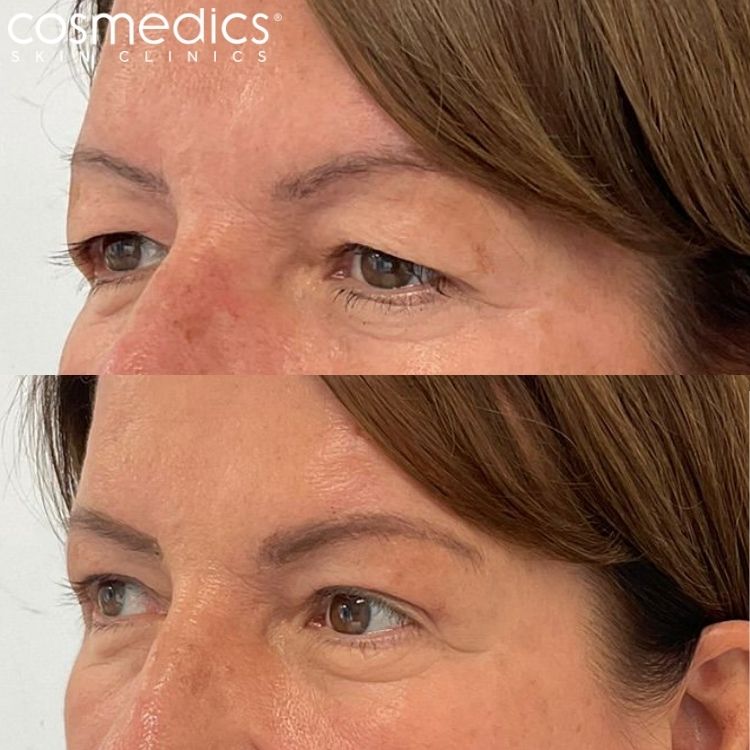
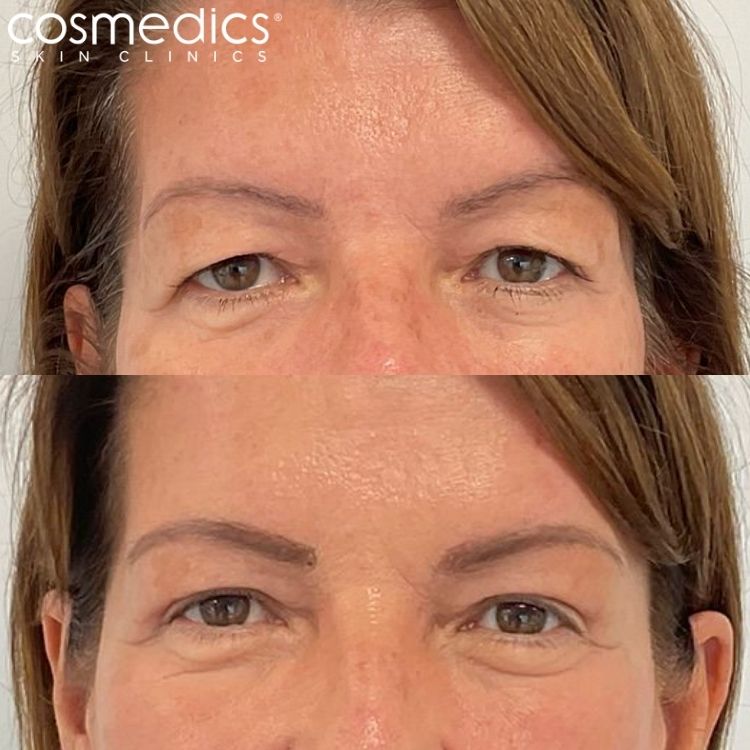



FAQ's
Upper Blepharoplasty Questions & Answers

Blepharoplasty is generally considered a low-pain procedure. Most patients report mild discomfort rather than significant pain. The most common sensations are tightness, soreness, and a feeling of swelling around the eyes during the first few days after surgery. This is usually well controlled with simple pain relief and cold compresses. Any discomfort typically improves significantly within 48–72 hours.
Results from eyelid surgery are long-lasting, as the excess skin is permanently removed. Upper blepharoplasty results often last 5–10 years or longer and in many cases, patients do not require repeat surgery for many years, if at all. Experiences will vary depending on skin quality, genetics, lifestyle factors, and sun exposure.
Realistically, this procedure does not make you immune to the ongoing natural ageing process, but it can make a big difference.
Yes, this procedure does require stitches to close the wound where the skin has been removed. These will be removed 5-7 days later in our clinics at no additional cost
Yes, but they are typically very discreet. The incision for upper blepharoplasty is placed within the natural crease of the eyelid, meaning scars are well concealed when the eyes are open. Over time, these scars usually fade significantly and become barely noticeable. Proper aftercare and healing support further help minimise their visibility.
At Cosmedics, all our blepharoplasty surgeries are carried out using only local anaesthetic. This means that recovery is very swift and patients can generally leave the clinic an hour or so after the procedure.
Most patients will take a few days off to avoid being seen with stitches and swelling/bruising – but you don’t have to
You may need pain relief when the anaesthetic wears off to help with the bruising and swelling. We advise patients to expect mild discomfort for around 3-5 days. This is normally manageable with standard painkillers.
In some cases, yes. If excess upper eyelid skin (ptosis or dermatochalasis) is drooping over the eyelashes or into the line of sight, blepharoplasty can improve the field of vision. Many patients also report reduced visual obstruction and less heaviness in the upper eyelids after surgery. However, the procedure is primarily performed for functional and cosmetic improvement, and suitability should be assessed during consultation.
Yes, you’ll need to keep the area very clean while avoiding risk of damaging the wound. We will recommend suitable products and regimes.
We request no exercise for the first 1-2 weeks, to allow swelling and bruising to subside.
We recommend wearing glasses (spectacles) for 2 weeks to avoid any undue pulling on the eye area or risk of infection
Patients can expect swelling for 3-5 days and bruising 7-10 days. Cold compresses and ice packs can be helpful in handling this
Most patients can resume driving within 2-3 days after blepharoplasty, provided they feel comfortable, are no longer taking prescription pain medication, and have sufficient vision clarity. It is important that any swelling, bruising, or light sensitivity does not affect safe driving ability. Patients should only drive when they feel fully confident and in control.
Day 1–3: Swelling & Bruising Peak
It is normal to experience:
- Swelling around the eyes
- Bruising
- Tightness or mild discomfort
- Watery or dry eyes
- Sensitivity to light
Most patients manage discomfort with simple pain relief and cold compresses.
During this period patients should:
- Rest with the head elevated
- Avoid bending, lifting or strenuous activity
- Use prescribed ointments or eye drops as directed
Vision may be slightly blurred initially due to swelling or lubricating ointments.
Days 4–7: Early Healing
Swelling and bruising usually begin to improve noticeably during the first week.
Many patients feel comfortable:
- Walking normally outdoors
- Working from home
- Reading and using screens in moderation
Stitches are commonly removed around 5–7 days after surgery, depending on the technique used.
Most patients still prefer sunglasses when outdoors during this phase.
Week 2: Returning to Normal Activities
By the second week:
- Most bruising has faded significantly
- Swelling continues to settle
- Eyes begin to look fresher and more natural
Many patients feel confident returning to:
- Office-based work
- Social activities
- Light exercise
Makeup can often be worn after approximately 10–14 days once healing allows.
Weeks 3–4: Visible Improvement
The eyelids continue to refine as residual swelling settles.
At this stage:
- Scars are usually healing well
- The eye area appears smoother and less hooded
- Results begin to look more natural and rejuvenated
Most normal daily activities can usually resume, although strenuous exercise should still be reintroduced gradually if advised by your surgeon.
1–3 Months: Final Results Develop
Over the following weeks:
- Scar lines continue to fade
- Residual swelling resolves
- Final contour and definition become visible
Patients typically notice:
- Brighter, more open-looking eyes
- Reduced heaviness of the upper eyelids
- A more refreshed appearance overall
Blepharoplasty results are long-lasting, with many patients enjoying improvements for many years.
Recovery Tips After Eyelid Surgery
- Sleep with your head elevated
- Avoid smoking during recovery
- Wear sunglasses outdoors
- Avoid rubbing the eyes
- Follow all aftercare instructions carefully
- Attend follow-up appointments as recommended
When to Contact Your Surgeon
Patients should seek medical advice if they experience severe pain, sudden swelling, bleeding or vision changes. These are rare, but it’s important to address any signs of infection as early as possible. Your surgical team will provide full aftercare guidance and emergency contact details following treatment.
For detailed information:
Many patients are keen to understand how they’ll look after surgery and during recovery. For most, it is nowhere near as bad as they’d expected. There are no heavy bandages for a start. You can expect to see the wounds initially and there will be some bruising.
We are very grateful to Mr Michail Malandrakis for compiling a set a of photos showing his patient at each stage of her recovery. You’ll see the initial impact is significantly improved after a week. After 2-3 weeks, we see the result emerging as the skin looks tauter with a reduction in the signs of ageing.






Complementary Non-Surgical Treatments
Our non-invasive cosmetic treatments can be used very effectively alongside upper blepharoplasty for a better result. Doctors and surgeons at Cosmedics Skin Clinics offer the latest techniques in injectable treatments including:
- BOTOX® anti-wrinkle injections
- Dermal Fillers to replenish lost volume
- 8 point facelift to lift facial tissues
- Profhilo and Polynucleotides to improve the condition of the skin
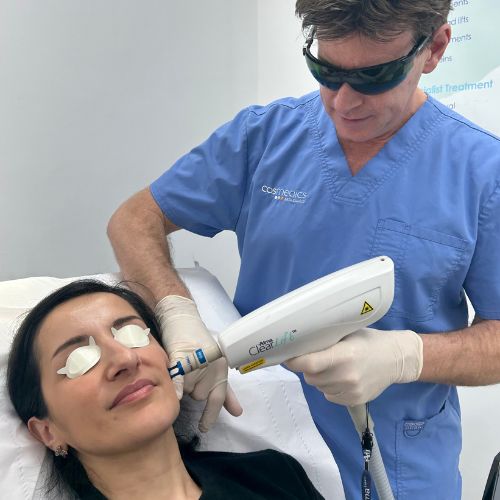
Our Putney, City of London and Harley Street centres also offer advanced treatments using laser skin tightening technology, including ClearLift laser skin tightening and rejuvenation.
You can expect great results from your surgery, but these can be used alongside to enhance the overall result. Your surgeon will be happy to advise.