



Please call us or fill in the form below and we will be delighted to help with your enquiry.
 0207 386 0464
Ellipse Excision – Precise Surgical Mole & Skin Lesion Removal
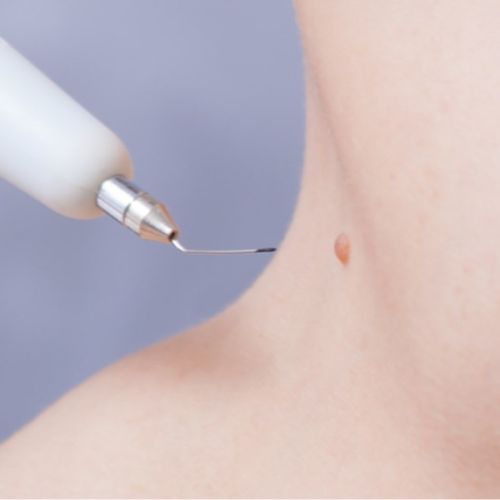
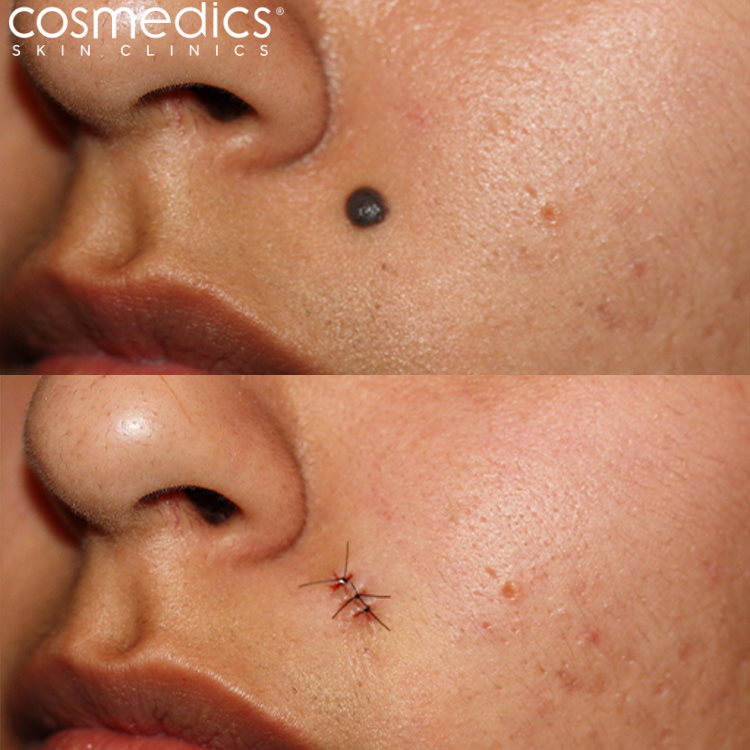
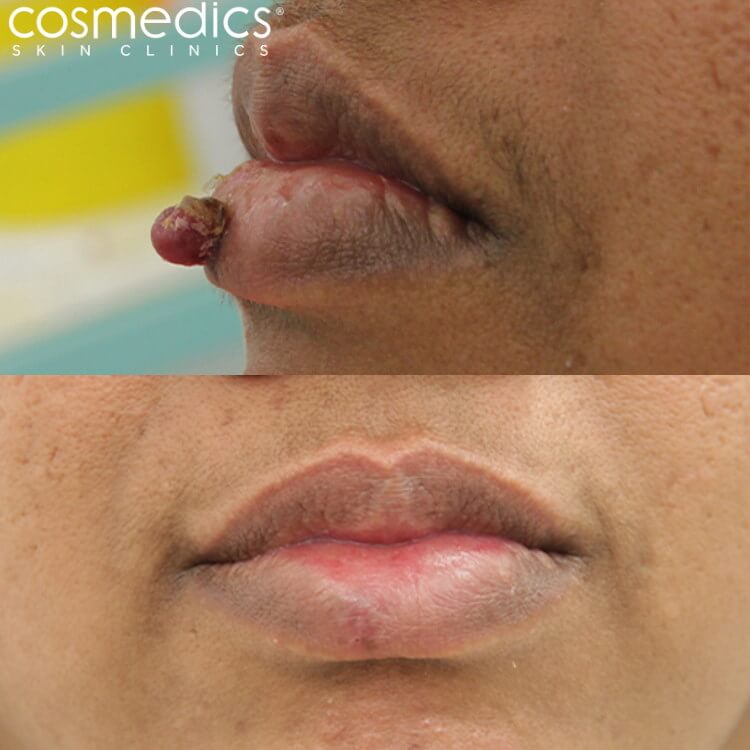
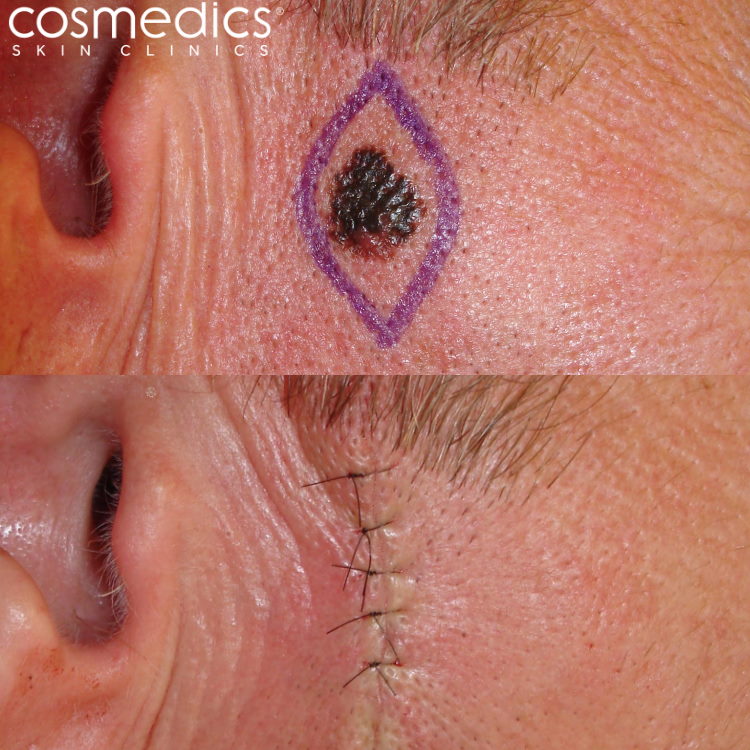
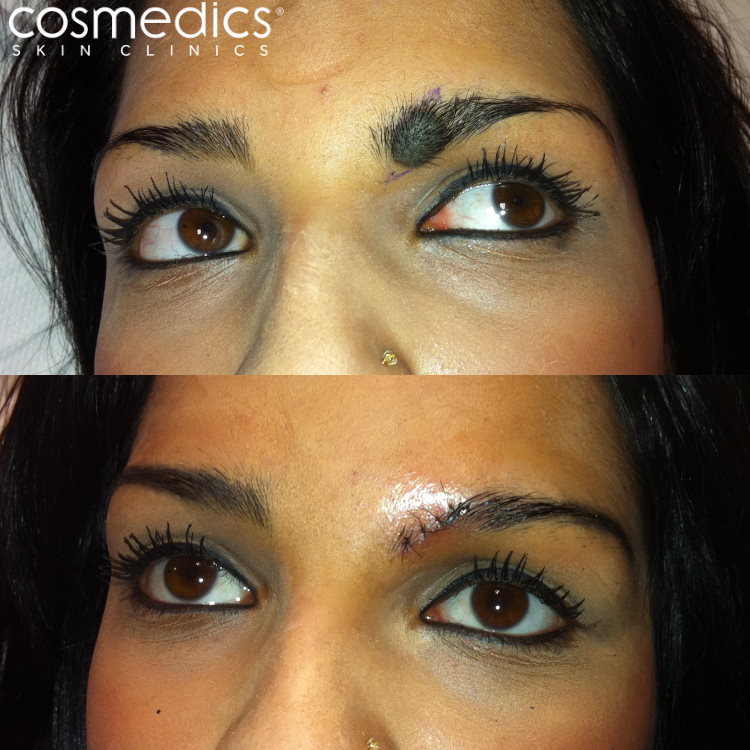
Ellipse excision is a surgical technique used to remove moles, cysts, and other skin lesions with precision. The procedure involves removing the lesion in an elliptical shape to allow for optimal closure and minimal scarring. Performed by experienced clinicians, ellipse excision ensures complete removal while maintaining the natural contour of the skin. Each lesion is carefully assessed, and where necessary, sent for histological analysis to ensure safety. This method provides a reliable, effective solution for both medical and cosmetic skin concerns, offering clean results with minimal downtime.
Ellipse Excision Reviews
Treatment Benefits

Time

Recovery

Results

Duration
Mole Removal Costs – Ellipse Excision Technique
| Moles | Surgery Cost | Histology* Cost | Total Cost |
|---|---|---|---|
| 1 mole, ellipse excision with stitches | from £595 | £95 | £690 |
Mole Consultation
Consultations with our doctors or surgeons cost £75 for mole removal. The consultation fee is redeemable against the price of mole removal treatment when carried out at the same appointment as the consultation.
Doctor consultations are purely for the moles’ patients request to have assessed for removal. Please book separately for a full body mole check.
Histology / Testing of the Mole
* All moles that are removed are sent to a separate laboratory for histology microscopic testing by a pathologist doctor to ensure the correct diagnosis. This is a standard requirement for good medical practice and results will be sent to you via encrypted email.
Please call 0207 386 0464 OR email [email protected] for help.






Ellipse Excision Treatment Information
Procedure
Ellipse excision is generally recommended for moles that are flat, potentially worrying or not suitable for shave excisions or laser treatment This procedure involves a small painless injection of local anaesthetic under the mole only to numb just that area.
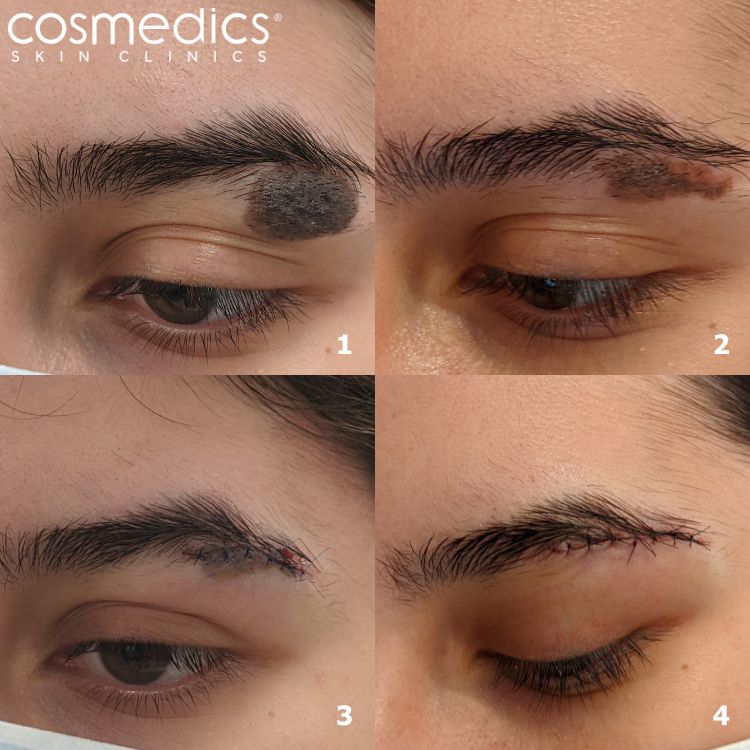
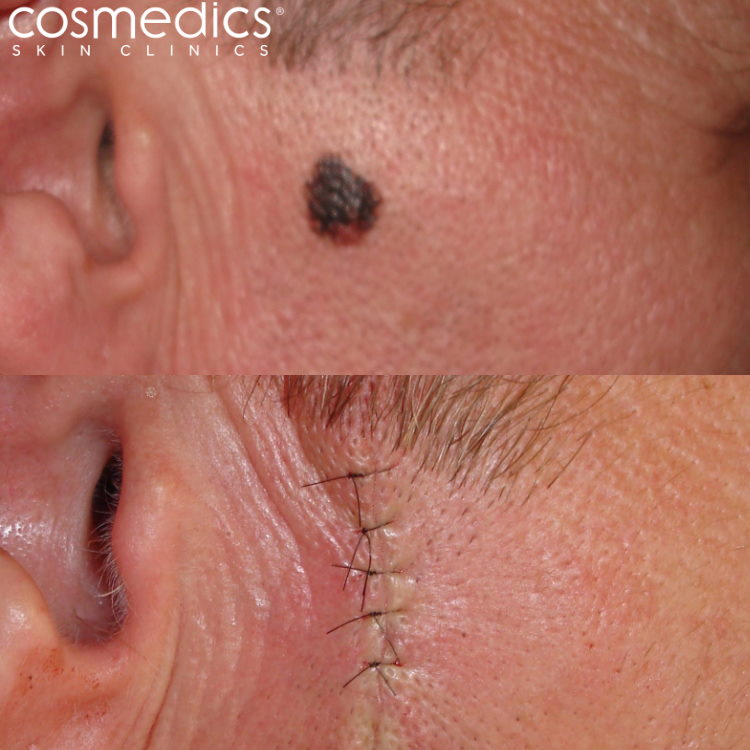
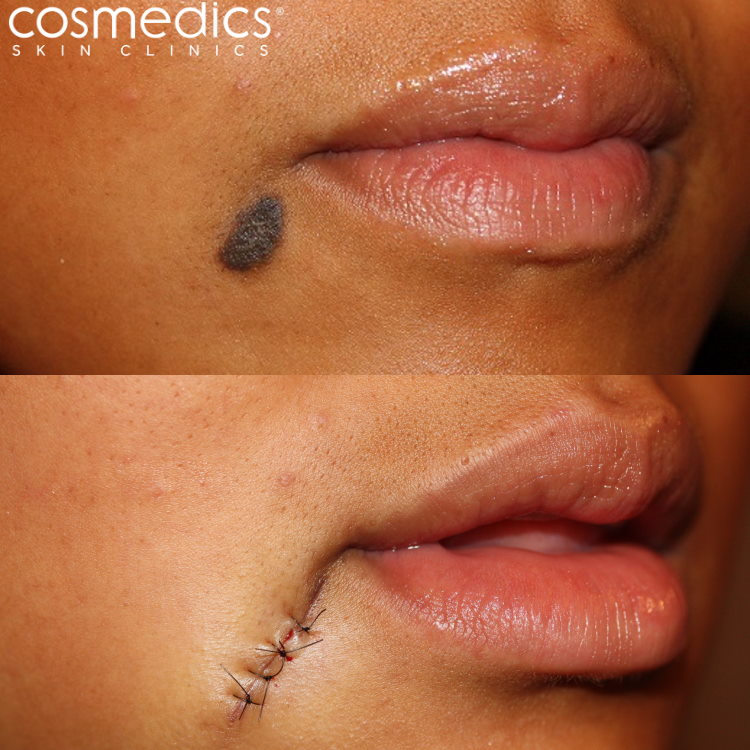
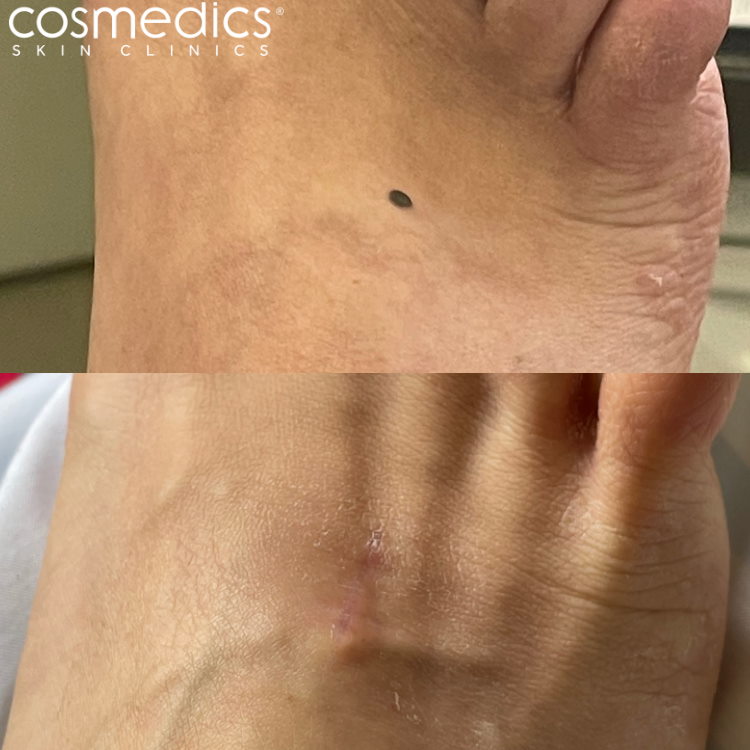
With precision cutting the entire mole is removed in one go. The remaining opening is then brought together with skin stitches that in most cases just simply dissolve away. After the initial wound heals, the result is a tiny line of scar tissue instead of the mole which gradually fades from red to white.
This only takes about 20 minutes and is not painful.
Full excision often requires stitches – either dissolvable or require removal after 5-14 days.
Find out more including surgical mole removal costs for ellipse excisions.
Minimise Scarring
Usually dressing is placed over the wound to protect it for the first week and then moisturising and massaging the wound is recommended to help improve the scar with vitamin e, bio-oil or silicon gels is advised.
Cosmedics recommend Kelo-cote UV silicon scar gel for optimum results. The product has been clinically proven to reduce scarring and protects the healing wound from sunlight so that mole removal can be undertaken at any time of year.
The wound initially starts off red and then gradually fades to a whitish line. This can take around a year.
Very rarely scars can overheal and form keloid or hypertrophic scars which may then require further treatment.
Aftercare for Mole Removal by Ellipse Excision
Following an elliptical excision, the anaesthetic will wear off after 2-3 hours. It often feels a bit tight and sore for the first 1-3 days and simple paracetamol or ibuprofen should help. Increasing pain is a sign of possible infection in which case contact us.
A dressing will have been applied that stays and is kept as dry as possible for the first 3-4 days. If it comes off reapply the steristrips and the dressing provided. If you have stitches that need removing this is normally done at 7-14 days according to what the doctor has instructed.
It is best to steristrip or use micropore tape to support the wound for a further 3-4 weeks if possible to keep the scar as narrow as possible as the skin strength in the scar only regains about 50% of its full strength.
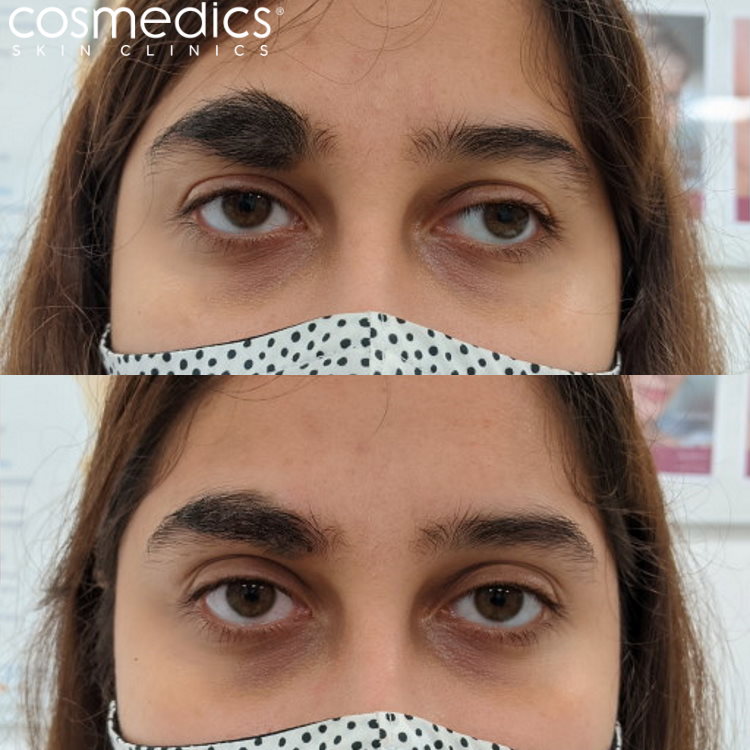
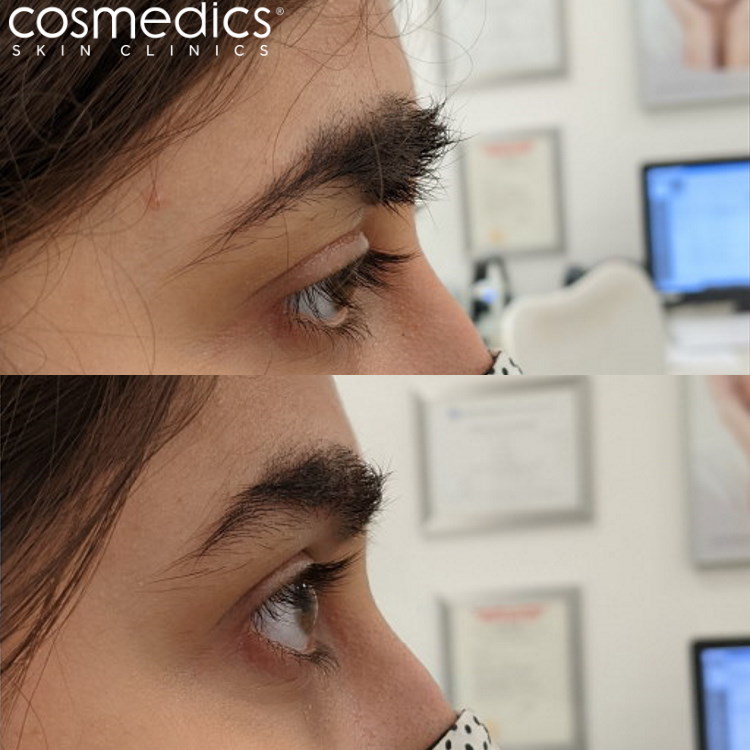
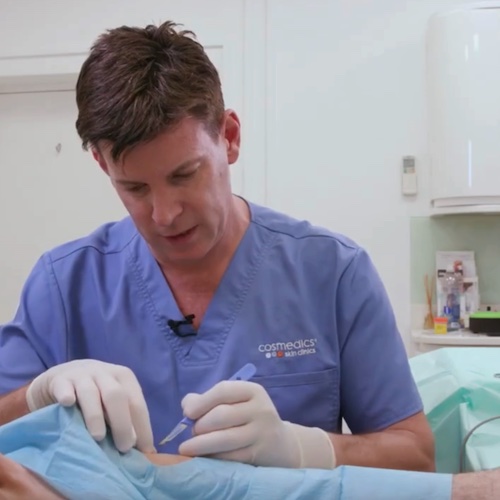
Ellipse Excision Results Photos & Videos




FAQ's
Ellipse Excision Mole Removal Questions & Answers

If you’ve been advised to have ellipse excision, it is most likely due to the mole being unsuitable for laser. Ellipse excision tends to be recommended for larger and flat moles.
We do offer laser mole removal at all our clinics. However, it is important to choose the most appropriate procedure depending on the nature of the mole. Laser mole removal is best for smaller, raised moles.
Ellipse excision generally does require stitches to bring the edges of the wound together.
We will use dissolving stitches where possible, but in some cases, stitches may need removing by your Doctor/Surgeon. In this case, this would normally be arranged 7-14 days after your procedure.
We understand that you may be nervous about having your mole removed using a scalpel, but the procedure is made entirely pain-free thanks to local anaesthetic. When this wears off, you should only really feel sore or uncomfortable in the area. This can be managed using paracetamol or ibuprofen for a few days as required.
Yes, our medical guidelines state that we should send ALL mole specimens for testing, even if they look completely normal. This is the ONLY way to be sure whether a mole is atypical or not; as often moles can look ok on the surface but have abnormalities lower down.
The removed mole lesion/specimen goes to a separate laboratory and is examined under a microscope by an expert. This is an independent service. Results are returned very quickly for your peace of mind.
Scar reduction therapy can start once the wound has healed. This is typically around 2 weeks after your treatment.
Please see separate FAQ for directions.
For wounds on the face:
- The optimum regime is applying silicon gel (Dermatix or Kelo-Cote® can be purchased either from the chemist or from Cosmedics) morning and evening
- Once dried, makeup can be applied over the top if preferred
- During the day, gentle massage with moisturizing cream or bio-oil helps soften the scar as well
- This can be done for up to 3 months
For wounds on the body/limbs:
- Continue to support the wound with steri-strips or micropore tape for 2 months changing them every couple of days as they get worn. The reason for this that even though the wound has healed the wound is only at about 50% of its normal skin strength at this stage so in areas when the skin moves a lot the scar then stretches if it is not supported during these first few months whilst it regains more strength
- After that you can then start the massage with bio-oil or vitamin e cream to help improve the redness of the scar
- We recommend Dermatix or Kelo-Cote® scar gel, which should be applied twice a day. Makeup can be applied over the top once dry
- Massage and silicon scar gel should be continued for 3 months – you can carry on longer if there is still a benefit
The following table outlines what to expect ‘day by day’ in terms of aftercare and recovery.
| Timeline/days | What to expect at the wound | What to do |
|---|---|---|
| 1-3 | Feels tight, slight swollen, mild discomfort easing off | Keep dressing on |
| 3-7 | Discomfort easing off and mild itch where dressing is | Steristrips |
| 7-14 | Wound heals over and is red minor swelling and redness, small bruising | Steristrips / micropore tape. Stitches removed if needed |
| 14-28 | Fully healed and red line | Steristrips /micropore tape |
| 1-3 months | Redness fading to pink | Massage with bio-oil or silicon gels. Sunblock if in the sun |
| 3-9 months | Pink area fading to skin color or slightly lighter and any lumpiness flattening out. | Sunblock if in the sun |
We offer ellipse excision at all our London clinics:
We recommend avoiding sun exposure where possible, seeking shade and covering up with clothing. The sun’s UV rays can be very damaging to the skin and can affect healing. You should wear a SPF50+ when outdoors for the first 3 weeks as a minimum.
This diagram shows what to expect at every stage after ellipse excision mole removal.

Healing stages after an ellipse excision mole removal
Day 1–3
- The incision is fresh and held closed with stitches.
- Redness, mild swelling, and tenderness are expected.
- The body begins forming a protective layer of new tissue under the stitches.
Day 3–14
- Stitches remain in place (typically removed around day 7–14, depending on location).
- The wound starts to knit together and looks like a thin red line.
- Some tightness or mild itching may be noticed as healing progresses.
2–4 Weeks
- The wound is closed and stitches are gone.
- The scar looks red or pink as collagen builds and blood vessels repair.
- The area may feel slightly raised or firm.
6–8 Weeks
- Scar tissue matures and the scar begins to flatten.
- Still pink in colour, but redness gradually fades.
- Sensitivity and itchiness usually reduce.
4–6 Months
- The scar softens and lightens in colour.
- It appears less noticeable and blends better with surrounding skin.
- Most tightness has resolved by this stage.
6–9 Months
-
- The scar is pale, flat, and faint.
- Final scar appearance depends on skin type, aftercare, and sun protection.
- In many cases, only a fine line remains.
For detailed information: