 0207 386 0464
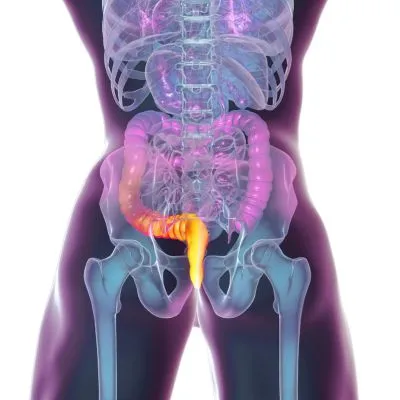
Haemorrhoids Anatomical Diagram
The rise of GLP-1 weight-loss injections has transformed obesity treatment in the UK — but doctors are now warning of a lesser-known and increasingly common side effect: haemorrhoids.
Medications such as Ozempic, Wegovy and Mounjaro have helped hundreds of thousands of people lose significant amounts of weight by reducing appetite, slowing digestion and curbing “food noise”. While the health benefits can be substantial, particularly for those with obesity-related conditions, these drugs are not without side effects.
Alongside nausea, vomiting and constipation, clinicians are now seeing a marked increase in haemorrhoids (piles) among patients using GLP-1 medications — a condition that can be painful, distressing and, in some cases, mistaken for more serious disease.
Dr Ross Perry, founder and medical director of Cosmedics Skin Clinics and a former NHS GP, says his clinics have seen a significant rise in patients presenting with haemorrhoids while taking GLP-1 drugs.
“We’ve seen a gradual increase in patients with the problem over the past year as the popularity of GLP-1 drugs has soared.
There’s been a 41 per cent rise in the last six months alone of patients with haemorrhoids, and many of those, both men and women in almost equal numbers, tell us they’re on drugs like Mounjaro and Ozempic and have seen significant bowel changes which have led to the problem.
Weight loss drugs are generally well tolerated. But when doses increase, this can lead to piles – and we know this because we ask those questions during consultations.
On top of that, many patients are hitting the gym to counter muscle loss caused by the weight loss – but weight training can involve straining, which can make haemorrhoids worse.”
GLP-1 medications work by slowing gastric emptying and gut motility, helping people feel fuller for longer. While this is central to their effectiveness, it can also disrupt normal bowel habits.
Dr Perry explains:
“GLP-1 medications cause delayed gastric emptying and slower gut motility, which makes stools drier and harder.
That leads to constipation, and more straining when opening your bowels, which in turn causes piles, small tears and anal skin tags.”
Constipation and straining are among the most common triggers for haemorrhoids, particularly when prolonged over weeks or months.
According to the NHS, haemorrhoids are swollen blood vessels inside or around the anus. Symptoms may include:
For some people, symptoms settle within days. For others, they can become chronic and severely affect quality of life.
Many patients delay seeking treatment due to embarrassment, but this can worsen symptoms.
Dr Perry says:
“Many of the patients we see have suffered in silence for quite a while, but eventually it reaches a tipping point where their discomfort becomes unmanageable.
If the haemorrhoid has started to swell and protrude so that every toilet trip is painful, that’s when people often decide they need help urgently.”
Anyone experiencing rectal symptoms should initially speak to their GP to rule out other causes.
Dr Perry notes:
“Most GPs will recommend conservative treatments first – things like improving diet, avoiding straining, and trying over-the-counter creams or suppositories such as Anusol.”
When symptoms persist or become severe, referral to a colorectal specialist may be necessary.
At Cosmedics, treatment options include:
While haemorrhoids are common, rectal bleeding should never be assumed to be harmless.
Dr Perry cautions:
“Anybody with rectal bleeding that doesn’t go away should see their GP – you can’t just assume that it’s piles.
If haemorrhoids keep coming back or you have other symptoms like weight loss or ongoing bowel changes, it’s vital to get checked.”
Symptoms that require urgent medical assessment include:
Some of these can overlap with serious conditions, including bowel cancer.
Weight-loss injections such as Ozempic, Wegovy and Mounjaro have transformed obesity treatment — but they also bring real gastrointestinal side effects that deserve attention.
Constipation-related haemorrhoids are increasingly common among GLP-1 users, particularly as doses rise and lifestyle changes lag behind rapid weight loss. The good news is that effective treatments are available, and early intervention can prevent long-term discomfort.
If you are experiencing ongoing symptoms, do not suffer in silence. Medical assessment is essential — both to treat haemorrhoids effectively and to rule out more serious causes.
Dr Perry’s comments were featured in an article on The Sun website https://www.thesun.co.uk/health/37291529/horror-side-effect-fat-jab-haemorrhoids-cancer/.
 As a GP and founder of Cosmedics Skin Clinics, Ross regularly provides expert comment and advises the media on a range of skincare and health-related issues.
He has particular expertise in skin surgery mole removal and melanoma; having removed thousands of moles in his career, both within the NHS and privately through Cosmedics Skin Clinics. He has provided expert advice on sun damage and sun protection for a variety of UK media and publications.
He also comments on the latest cosmetic and anti-ageing treatment methods.
Cosmedics Skin Clinics was established in 2003 and has built up an excellent reputation for cosmetic and medical skin treatments, carried out by GMC Registered Doctors. The company offer a full range of cosmetic treatments, including popular lip enhancement and wrinkle relaxing injections, dermal fillers; plus medical treatments including mole removal, thread vein treatment and excessive sweating injections.
Cosmedics Skin Clinics has a team of skin treatment doctors and surgeons in their 4 skin clinics across London and Bristol led by Dr Ross Perry.
Call 020 7386 0464 or email [email protected] to book an appointment.


Leading care, recommended by patients

Cosmedics Skin Clinics was established in 2003 by Dr Ross Perry and has built up an enviable reputation over the last 20+ years for setting high standards of care and patient satisfaction within the professional skincare market.
Please call us or fill in the form below and we will be delighted to help with your enquiry.